Where does the thermal problem begin?
Identify the hotspot, device or operating context and where heat must travel next.
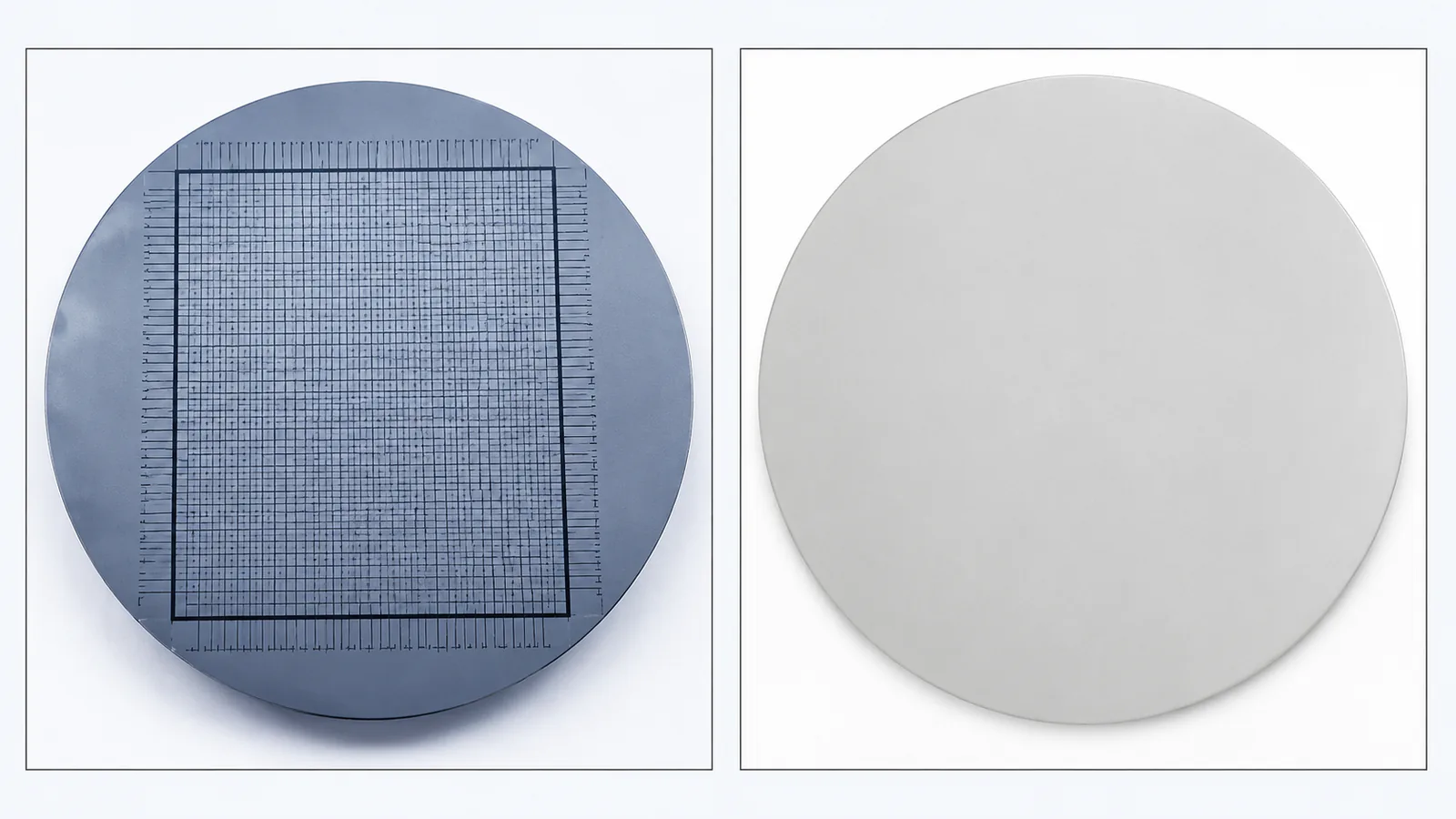 Project-supplied composite / full frame / form context only
Choose the next material route from the application, required form, crystal logic, surface and interface conditions, and the evidence needed for approval—not from one isolated conductivity value.
The material name is only the start. A reviewable request connects the system problem, the physical part, the interface and the proof expected from the quoted sample or batch.
Compare the four routesIdentify the hotspot, device or operating context and where heat must travel next.
Separate a finished spreader brief from an open plate or crystal-route comparison.
Keep finish, flatness, metallization, bonding and mating materials inside the same review.
State the identity, method, direction, temperature and acceptance rule behind each target.
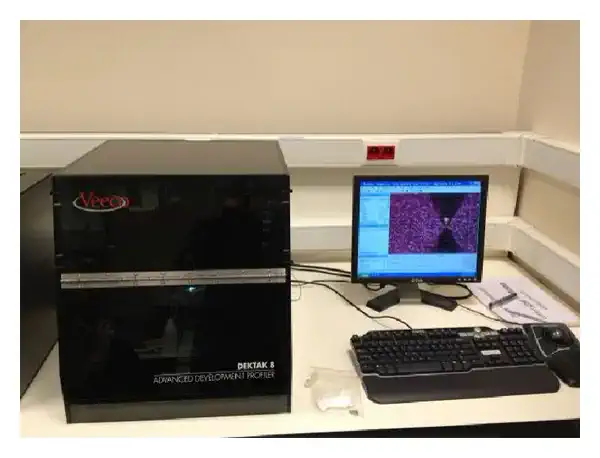
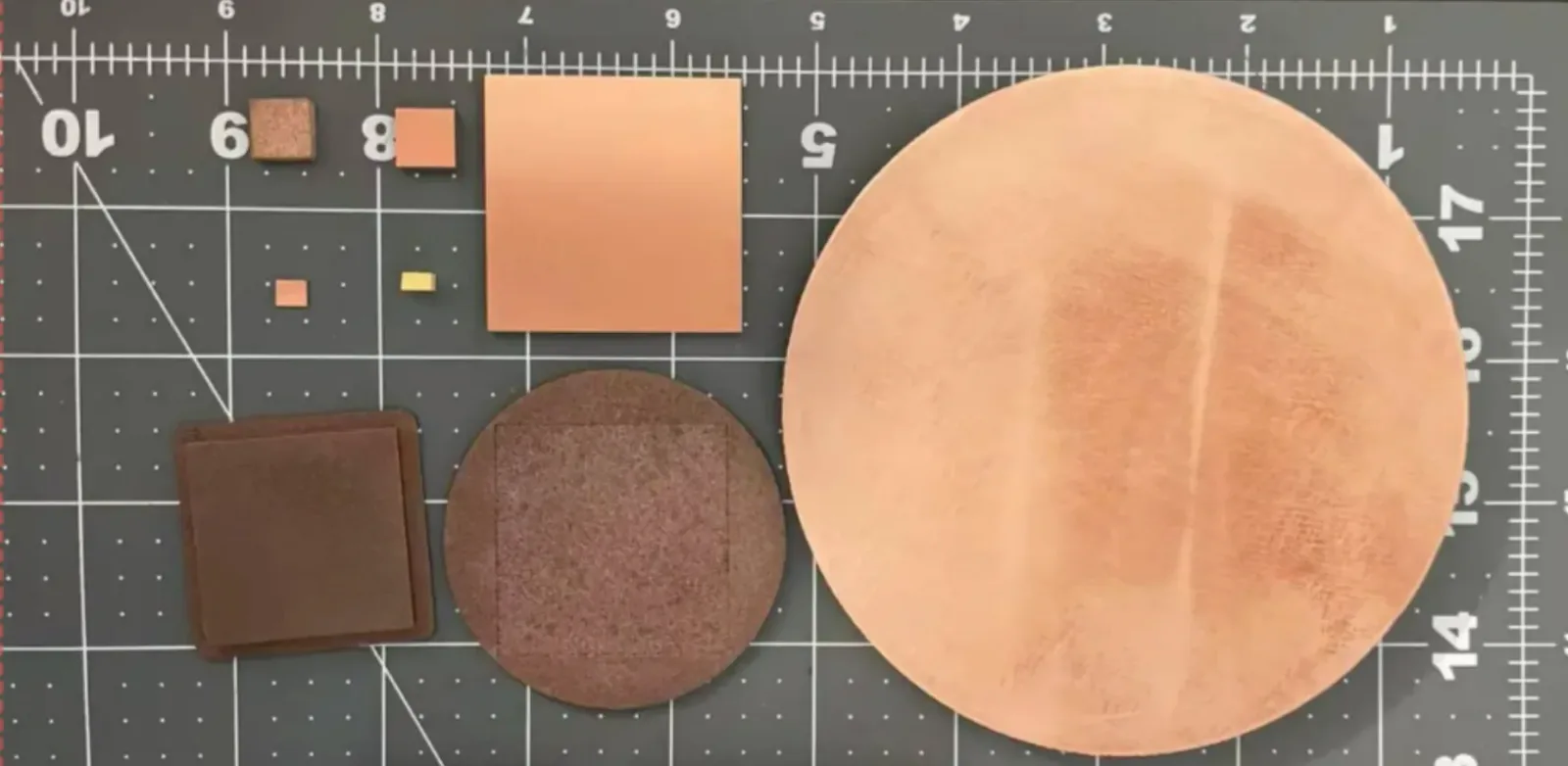
Five photographic references break up the selection logic with real process, surface and measurement contexts. They explain the questions a buyer should ask; they do not prove DiamovaLab equipment, manufacturing scope or test capability.
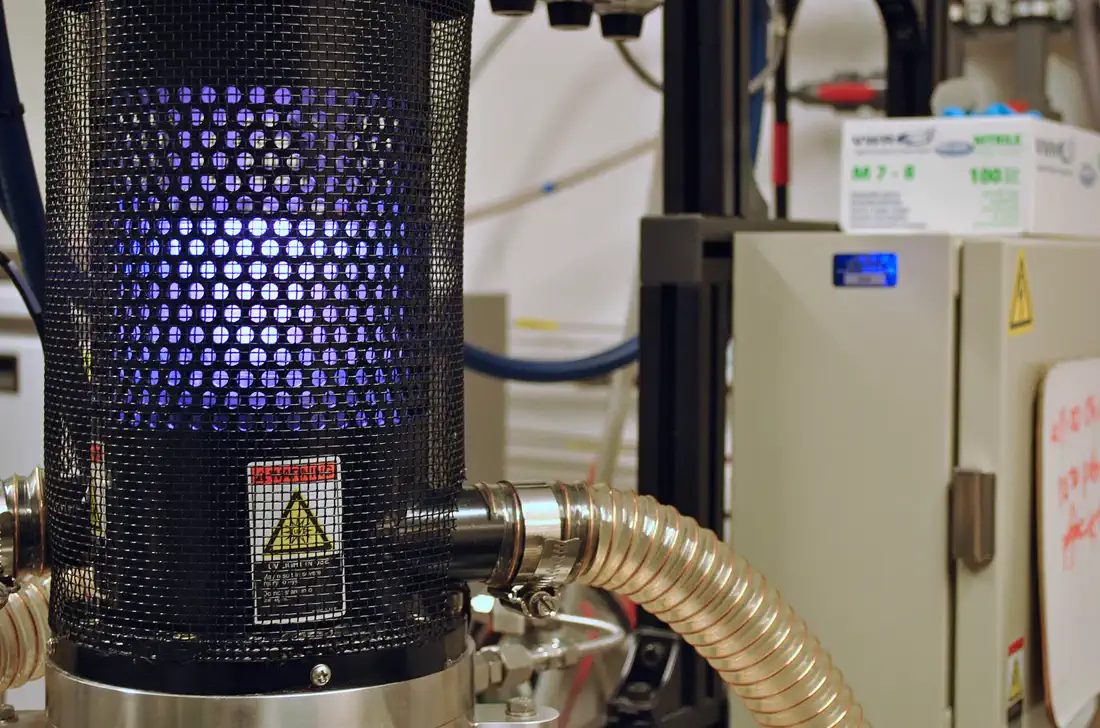

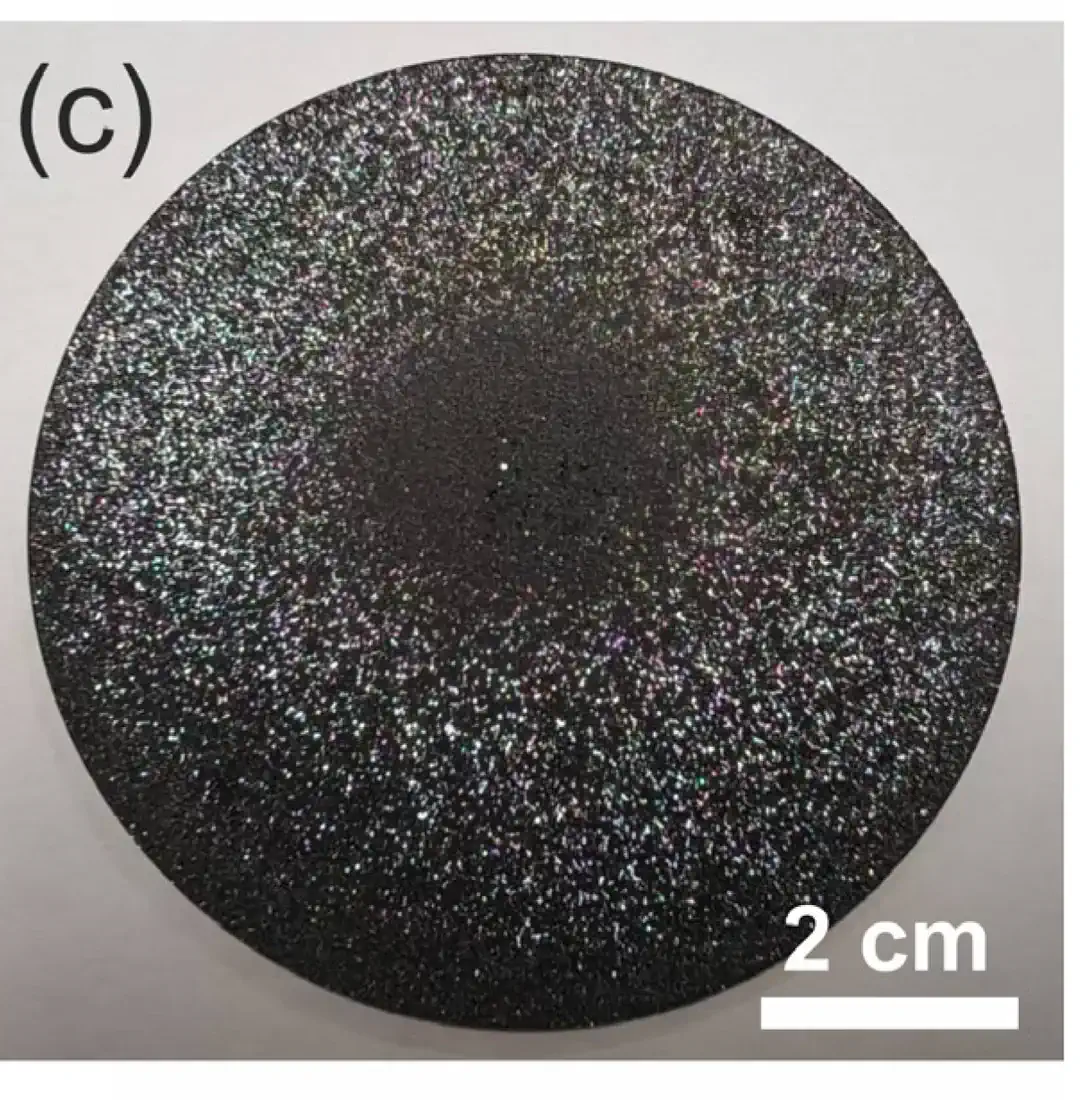
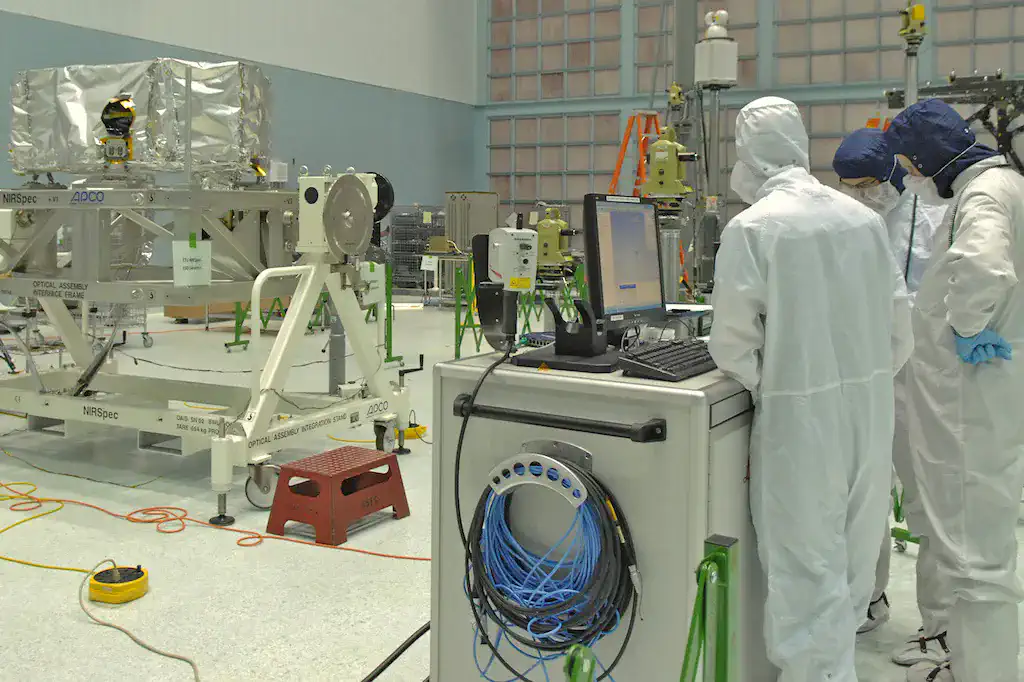
These four exits are not a stock list. Each one changes the inputs, evidence and next page required for a useful engineering review.
 Route 01 / Hotspot
Begin here when the request starts at a device hotspot and the complete path through footprint, interface and cold side must be reviewed together.
Review the heat-spreader route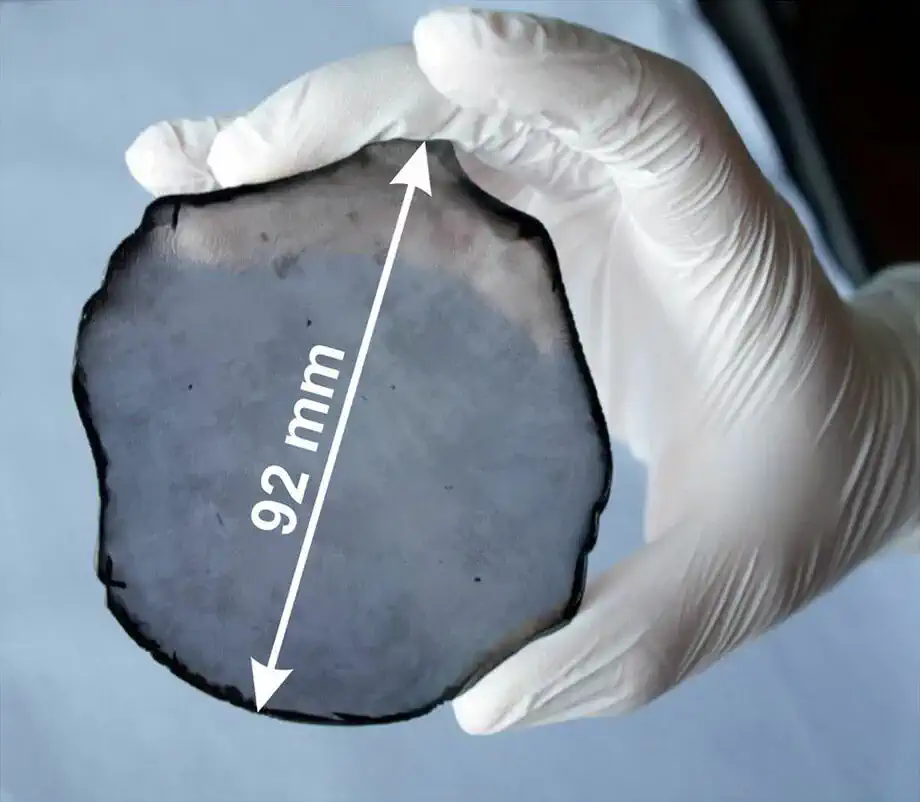 Route 02 / Plate form
Use the plate hub while product form, usable geometry, crystal route and surface condition still need to be compared before a detailed specification is opened.
Compare plate routes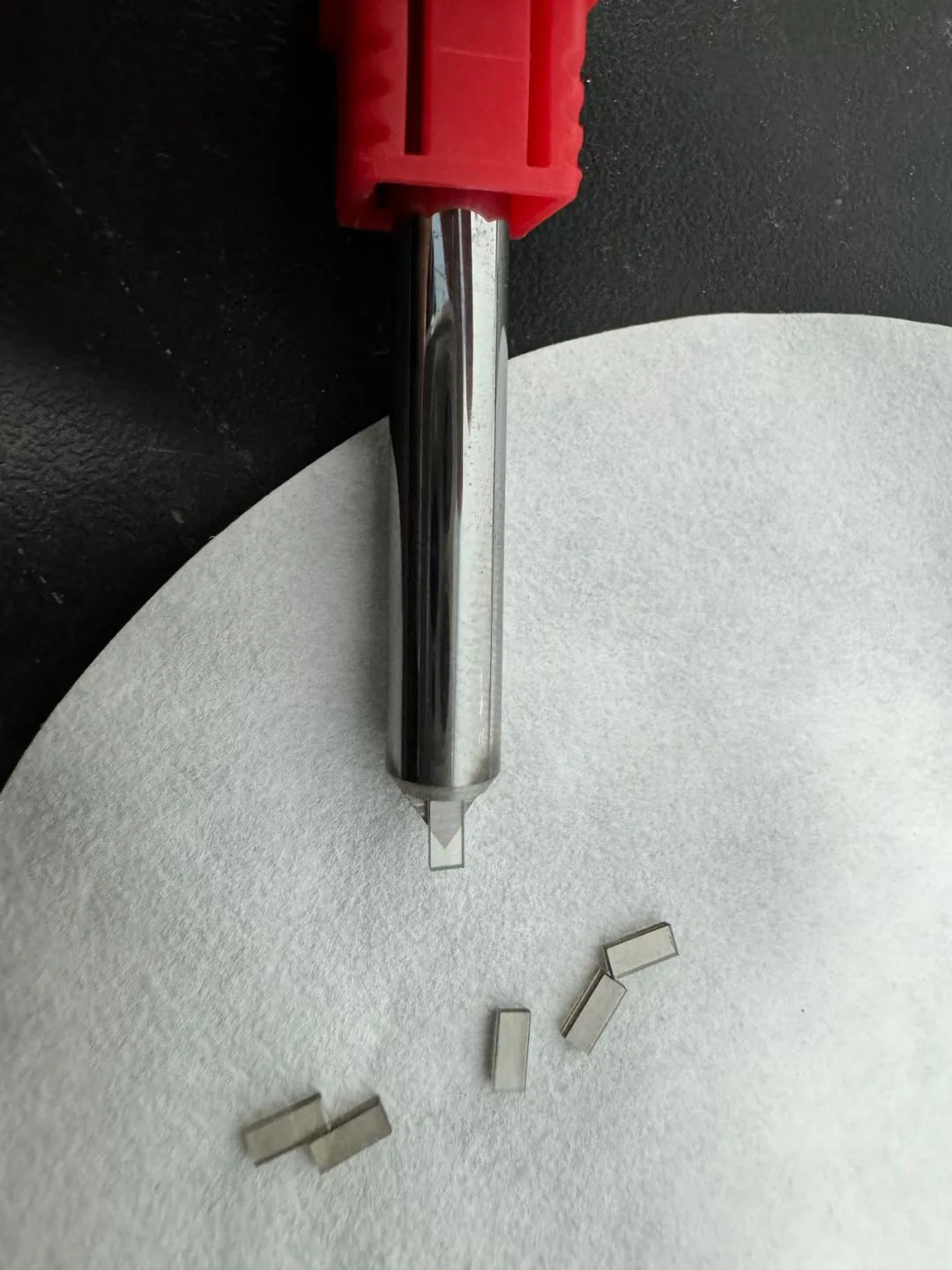 Route 03 / Precision
Use this route when orientation, compact geometry, thickness, surface condition and the target property must remain connected in one precision brief.
Define a single-crystal brief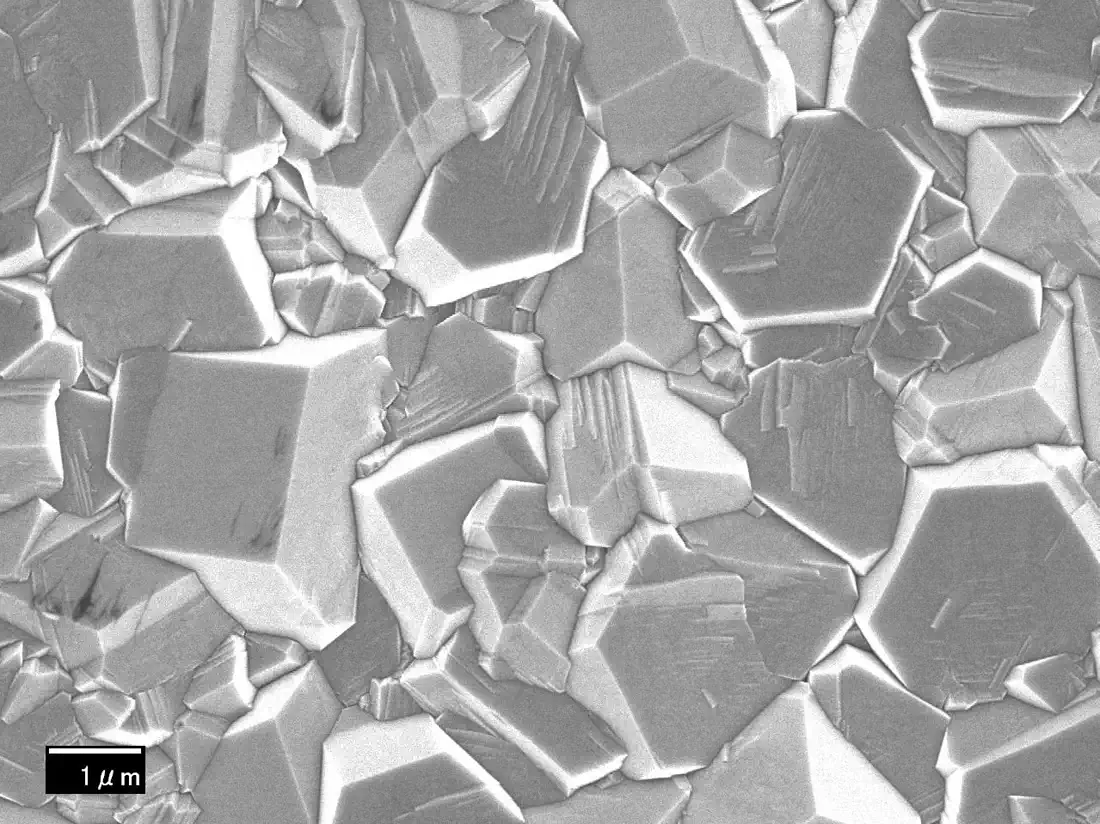 Route 04 / Area + batch
Use this route when usable area, thickness, bow or warp, grade definition and repeatability across multiple pieces dominate the buying task.
Define an area-and-batch briefThe shared five-stage decision stays connected. The selected route changes what must be defined inside each stage.
Begin here when the request starts at a device hotspot and the complete path through footprint, interface and cold side must be reviewed together.
Use the plate hub while product form, usable geometry, crystal route and surface condition still need to be compared before a detailed specification is opened.
Use this route when orientation, compact geometry, thickness, surface condition and the target property must remain connected in one precision brief.
Use this route when usable area, thickness, bow or warp, grade definition and repeatability across multiple pieces dominate the buying task.
Power electronics, RF hardware, laser systems and high-density computing create different footprints, interfaces and cooling boundaries. These are application references—not DiamovaLab customer cases.
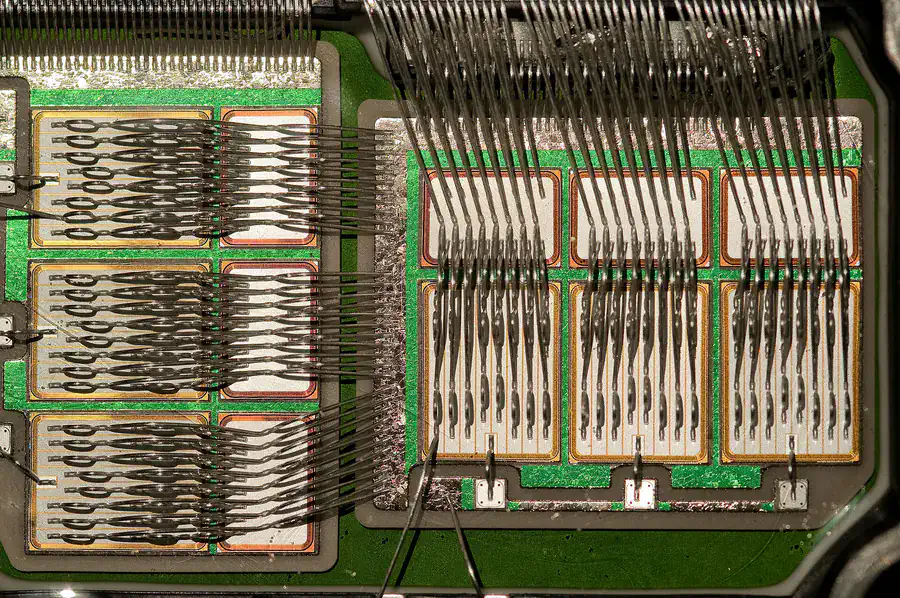
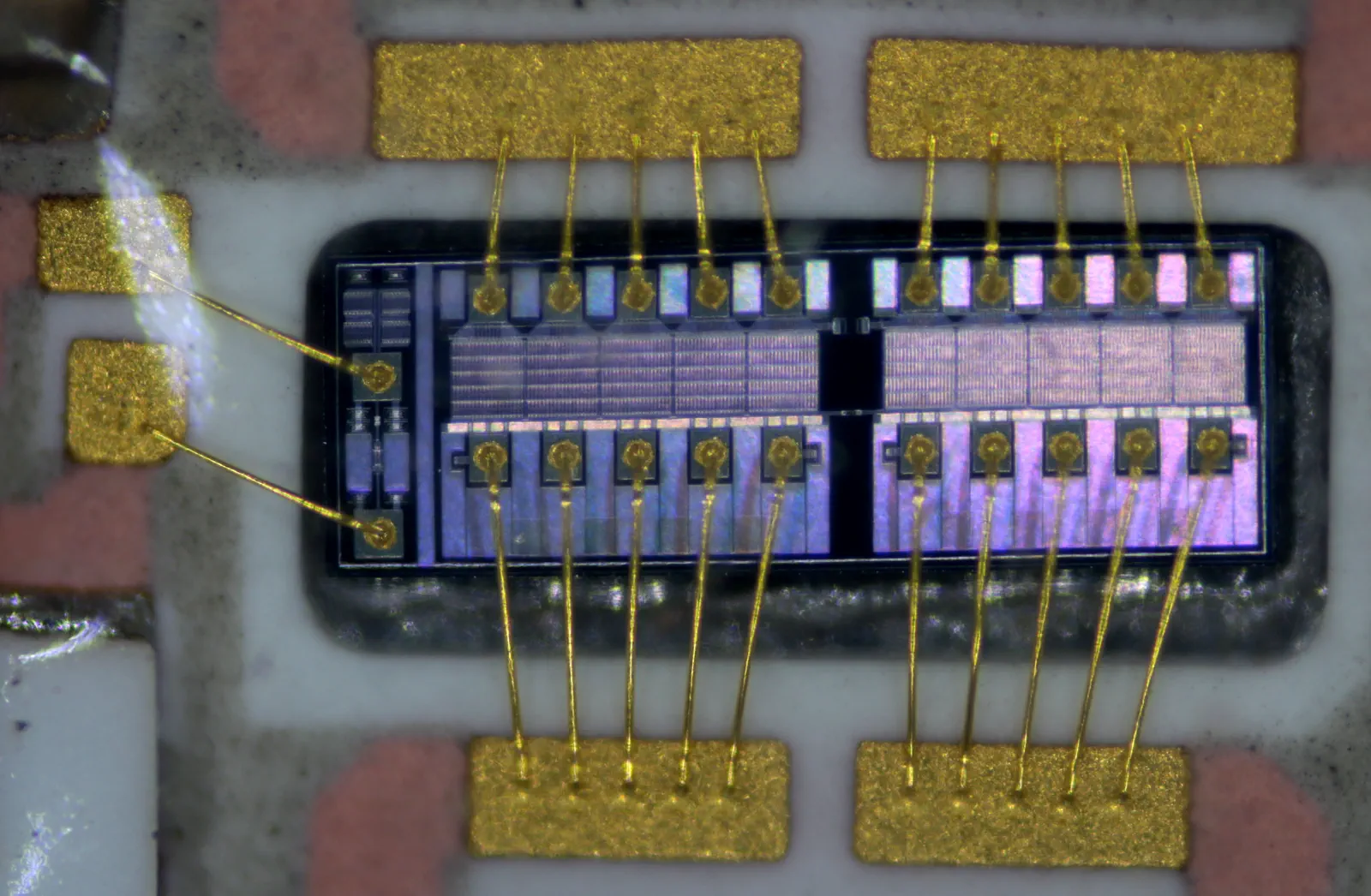
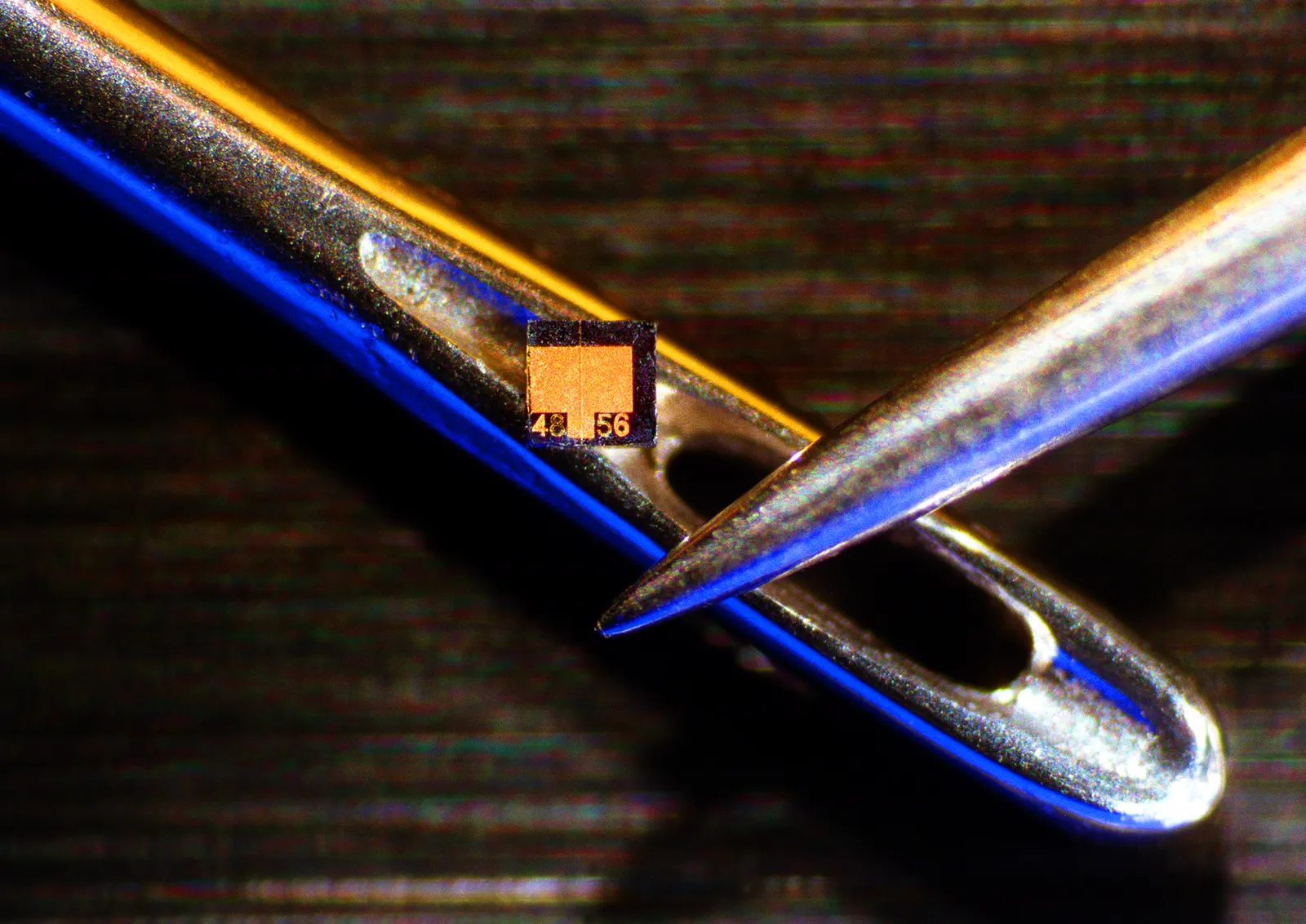

Interface, thermal and engineering-review images show the evidence categories that may matter. They are not released DiamovaLab test records or capability proof.
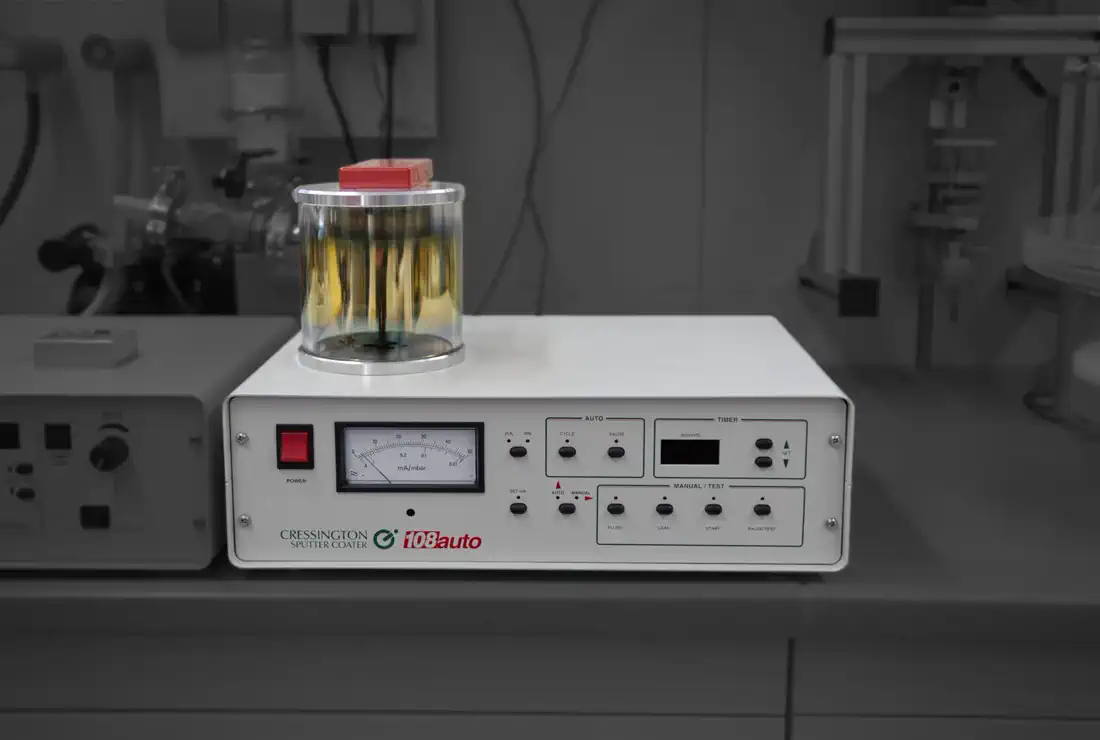
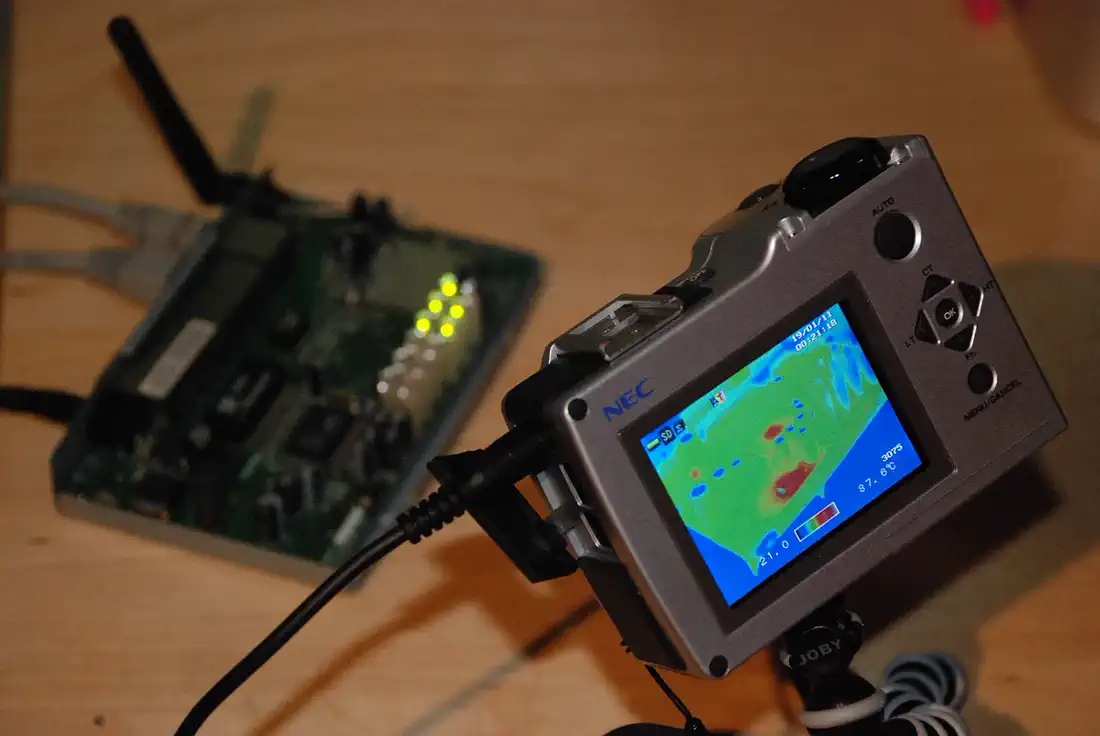
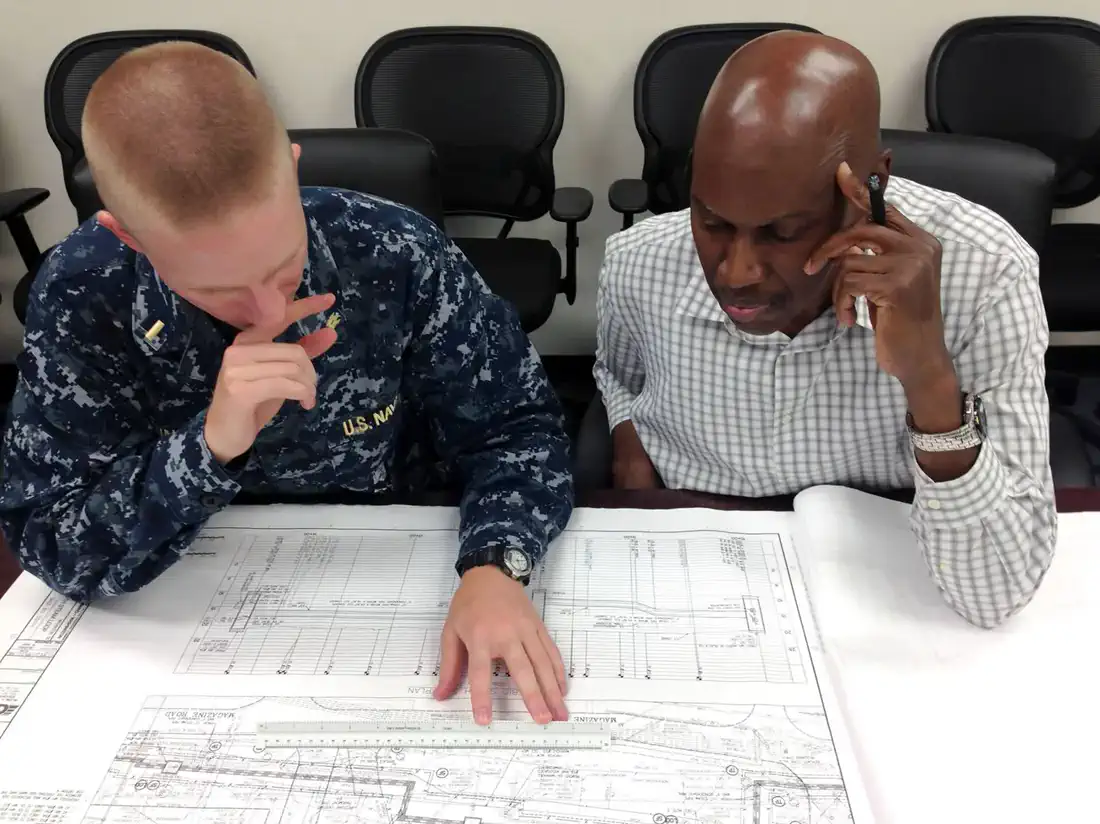
Each route below opens a dedicated page where the relevant specification, evidence and quotation inputs can be developed in more detail.
An open industrial brief can be reviewed without forcing the project into the wrong product label.
These answers help select the correct next page. Detailed values, evidence and commercial terms belong to the dedicated route and quotation review.
No. It is a material-selection hub. Use the linked route pages to define the relevant buying fields; actual availability, specifications, evidence and commercial terms are confirmed during quotation review.
For a circular wafer request, specify diameter, thickness and total thickness variation, bow or warp, edge exclusion, surface condition and batch consistency. Include these fields in the CVD diamond plate enquiry so the available form can be confirmed.
No. Crystal type, direction, temperature, measurement method, geometry, surface and interface resistance can all affect how a headline material value relates to a device-level heat path.
A drawing or footprint, target thickness, tolerance, surface and interface requirements, quantity, timing and the evidence needed for internal approval provide the most useful starting point.