Area and thickness
Define usable area, finished thickness, tolerances and any edge or shape restrictions.
Geometry definitionA polycrystalline plate request should define usable area, thickness, grade meaning, surface, bow or warp, batch consistency and test requirements. This page sets the procurement language; the offered range is confirmed against the actual requirement.

A procurement-ready definition includes maximum or usable area, thickness, a measurable thermal or application grade, surface condition, flatness, bow or warp, tolerances and the level of within-batch and batch-to-batch consistency required.
Grade labels are useful only when measurement conditions and acceptance rules are clear. Ask for the quoted material specification and its supporting report, including temperature, measurement direction and sample identity.
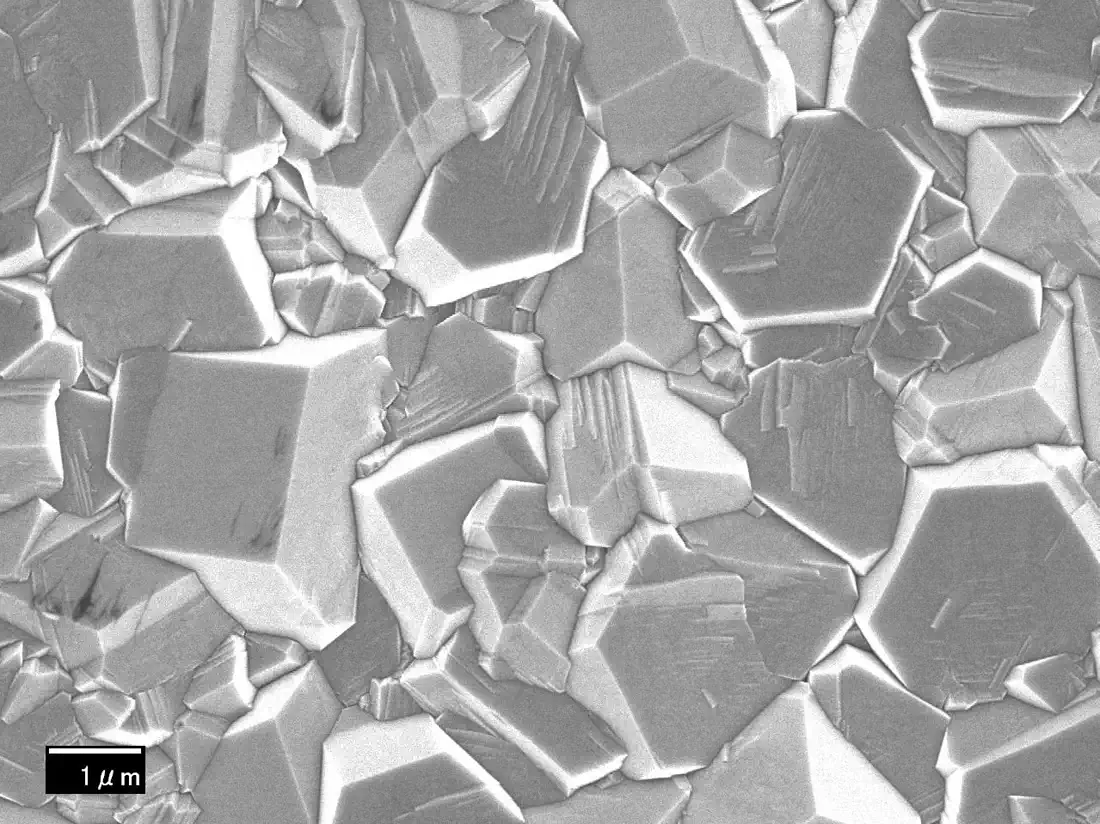
Define usable area, finished thickness, tolerances and any edge or shape restrictions.
Geometry definitionState the target property, measurement conditions, surface finish and shape-control limits.
Measured grade definitionSet sampling, traceability, lot variation and repeat-order expectations before qualification.
Lot acceptance definitionUse these fields to define the requested plate and lot. Available dimensions, grade, inspection records and commercial terms are confirmed against the project during quotation.
Length and width or other finished geometry
Client capability range requiredFinished thickness and tolerance
Quotation data requiredTarget value plus temperature, direction and method
Grade definition and report requiredApplication-relevant grain or quality criterion if needed
Client definition requiredFinish, Ra, polished faces and visual criteria
Inspection evidence requiredFlatness, bow, warp, parallelism and tolerances
Inspection evidence requiredWithin-lot, lot-to-lot and repeat-order acceptance rule
QC process requiredSample or batch quantity, required date and destination
MOQ and lead time required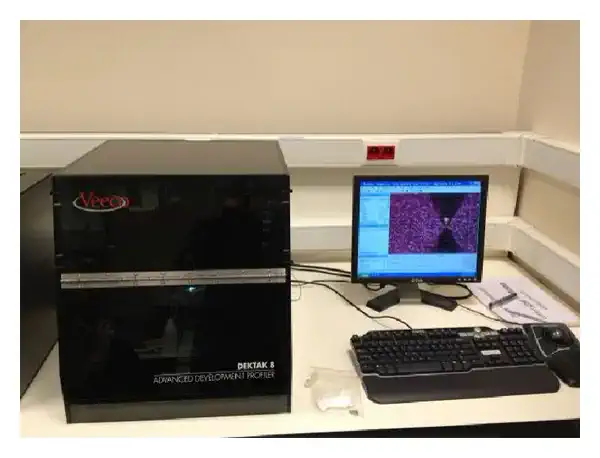
A buyer should be able to trace the quoted grade to a material definition, measurement condition and controlled batch. Unrelated industry data cannot substitute for this chain.

State finished area, thickness, edge and tolerance needs rather than only raw material size.
Specify the property, method and acceptance level that the grade must represent.
Include surface, flatness, bow or warp, sampling and repeatability expectations.
A product route is proposed only after capability and commercial data are confirmed for the requirement.
Property, temperature, direction, method, sample condition and whether a value is typical or guaranteed.
Area, thickness, surface and shape-control results using specified instruments and sampling.
Lot identity, consistency criteria, repeat-order handling, samples, MOQ and lead-time boundary.
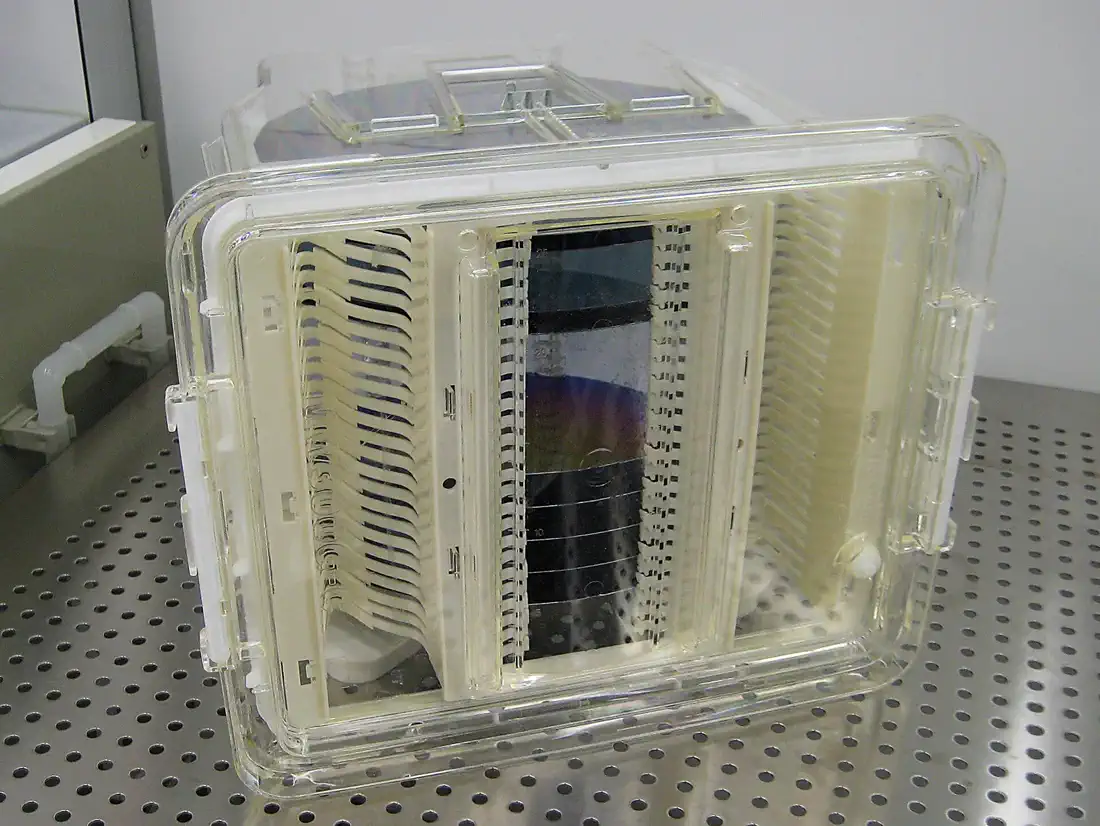
A procurement-ready brief should state sample identity, measurement conditions, within-lot sampling, lot-to-lot acceptance and the commercial rule for repeat orders.
The answers keep usable area, measured grade, surface, shape control and lot consistency attached to the same batch definition.
It should point to measurable criteria, such as a property range under stated conditions, plus any relevant surface, structure or consistency definition. An unexplained marketing tier is not enough for engineering approval.
Qualification and repeat orders can depend on within-lot and lot-to-lot variation. The buyer and supplier should agree on sampling, traceability and acceptance rather than assume consistency from one sample.
No. Maximum area, finished thickness and tolerances require a verified client product matrix and inspection evidence.
Yes, as a material-selection question. A project centered on package heat flow and interfaces should then move to the dedicated diamond heat-spreader page so the complete system brief is captured.