CVD diamond materials · thermal systems · professional sourcing
Plate selection / buyer route

CVD Diamond Plates: Single-Crystal, Polycrystalline and Wafer Options

Use this comparison page to route a requirement to single-crystal or polycrystalline CVD diamond. The wafer term remains here until dedicated diameter, TTV, bow, edge and batch evidence supports a separate page.

Plate route comparisonRanges, reports and commercial terms are matched to the drawing and chosen crystal route.
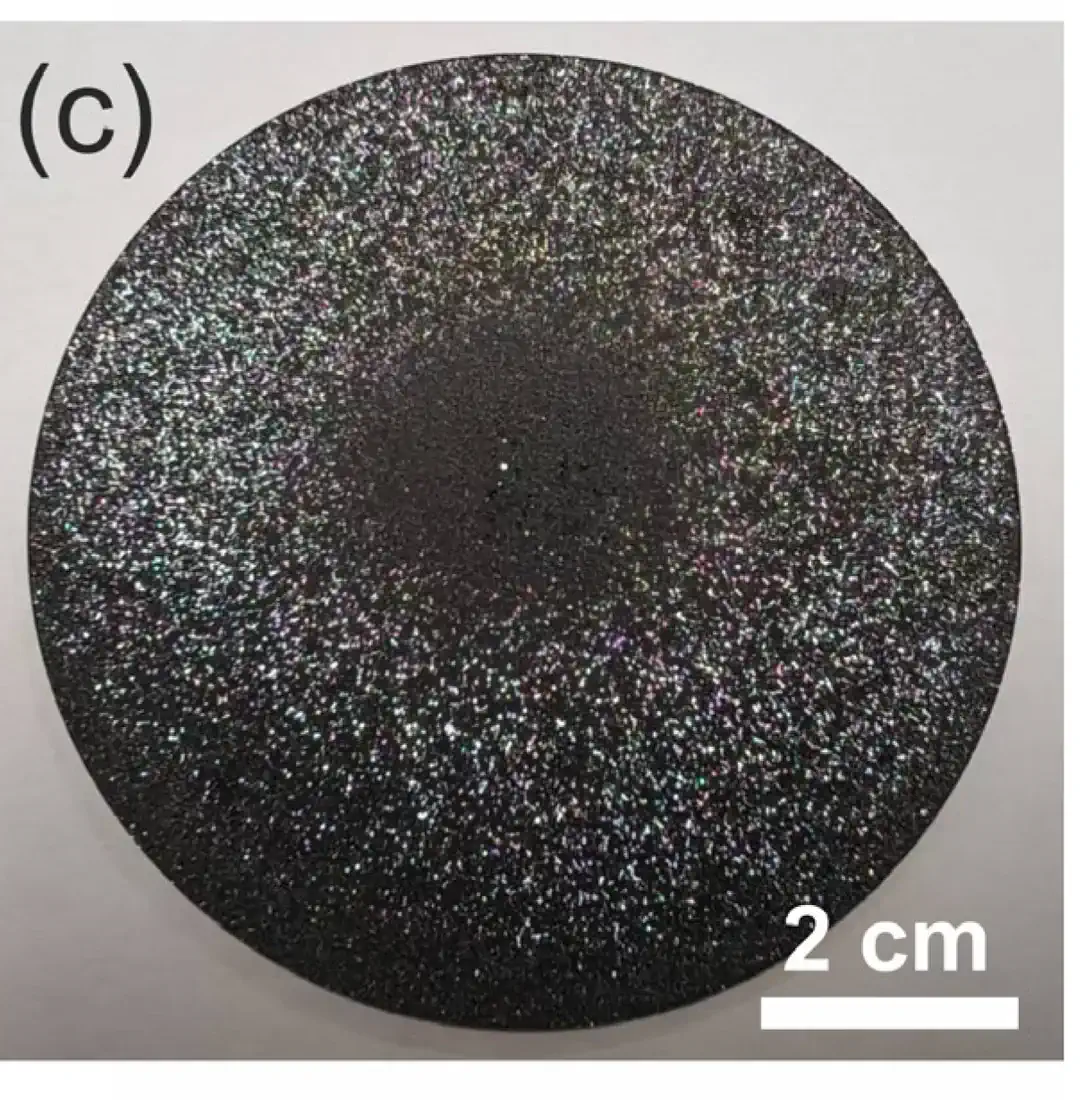
Independent reference image of a circular CVD diamond material specimen used for plate-format selection context
Open-license material reference · not a confirmed DiamovaLab SKU
Plate route comparison

Compare the decision logic before comparing a product range.

The useful comparison is not a generic better-or-worse ranking. It begins with the application, required area, thickness, orientation or microstructure sensitivity, thermal or other target property, surface condition and batch needs.

Single-crystal and polycrystalline routes therefore retain separate detail pages. This parent page owns the broad plate and wafer-format selection task, while each child page owns its specific procurement intent and evidence fields.

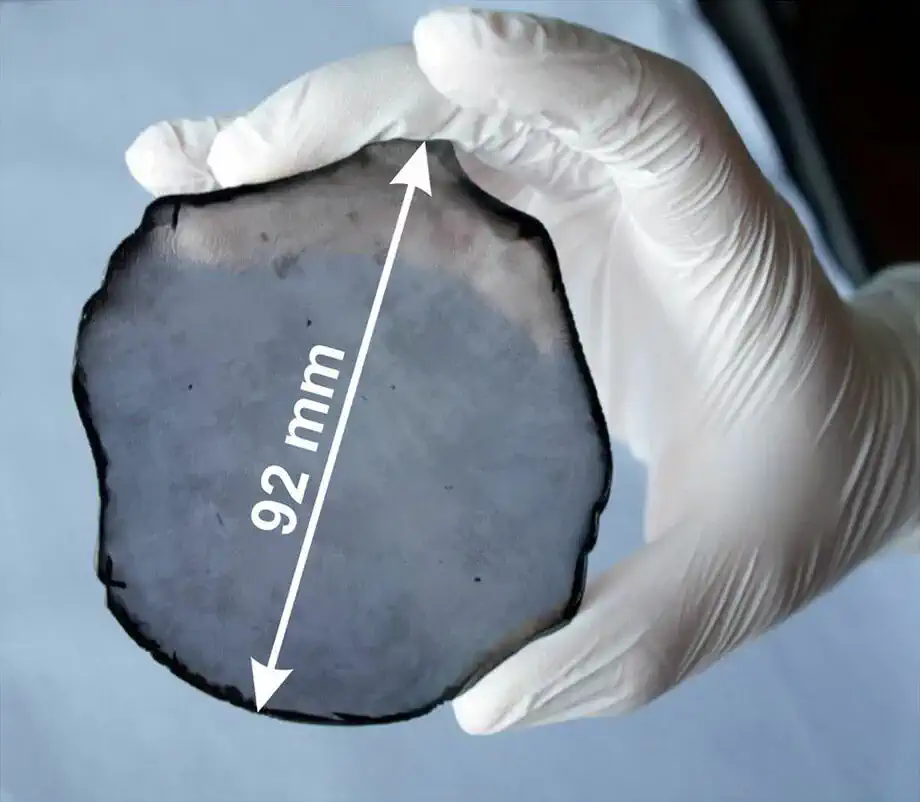
Independent macro surface reference used for single-crystal plate selection context
Open-license material reference · not a confirmed DiamovaLab SKU or batch
Route A / orientation-led

Single-crystal CVD diamond plates

Use when orientation, material condition, surface and property-specific acceptance must travel together.

  • Orientation
  • Surface
  • Property target
  • Sample traceability
Open single-crystal definition
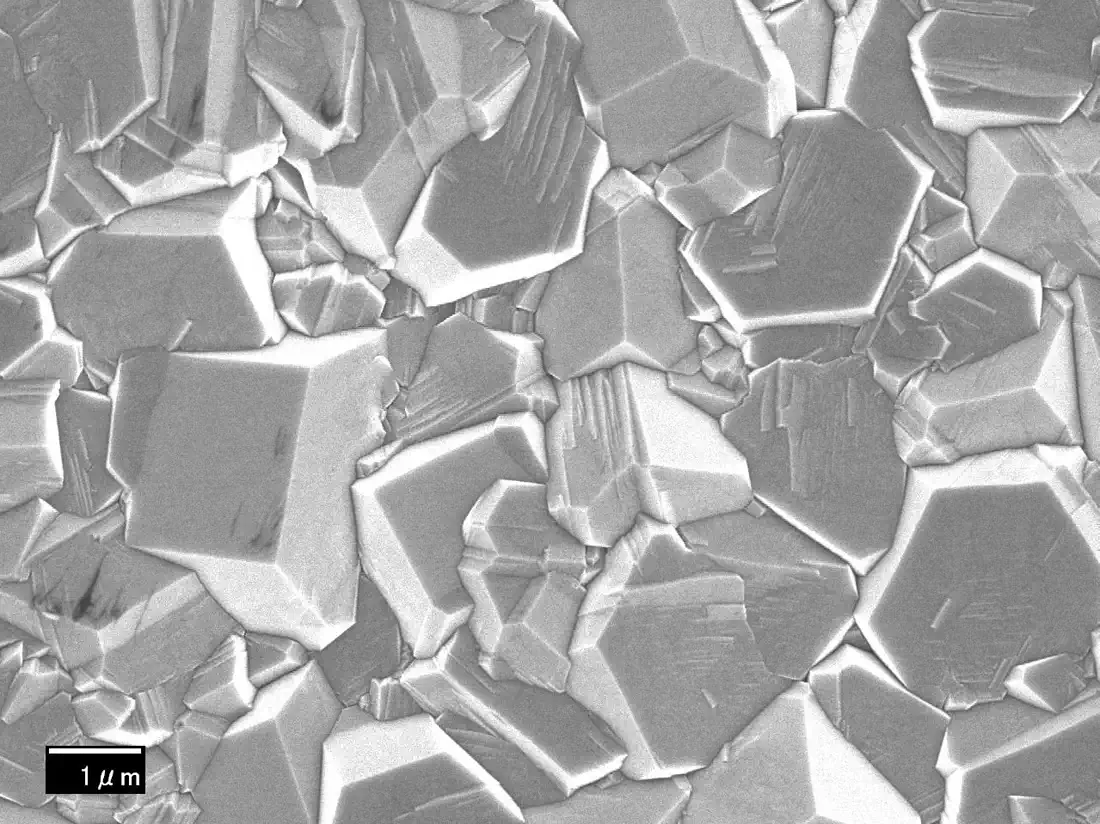
Independent CVD microstructure reference used for polycrystalline plate selection context
Open-license material reference · not a confirmed DiamovaLab SKU or batch
Route B / area-and-batch-led

Polycrystalline CVD diamond plates

Use when usable area, grade meaning, shape control and repeatable batch criteria drive the review.

  • Usable area
  • Grade definition
  • Bow or warp
  • Batch consistency
Open polycrystalline definition
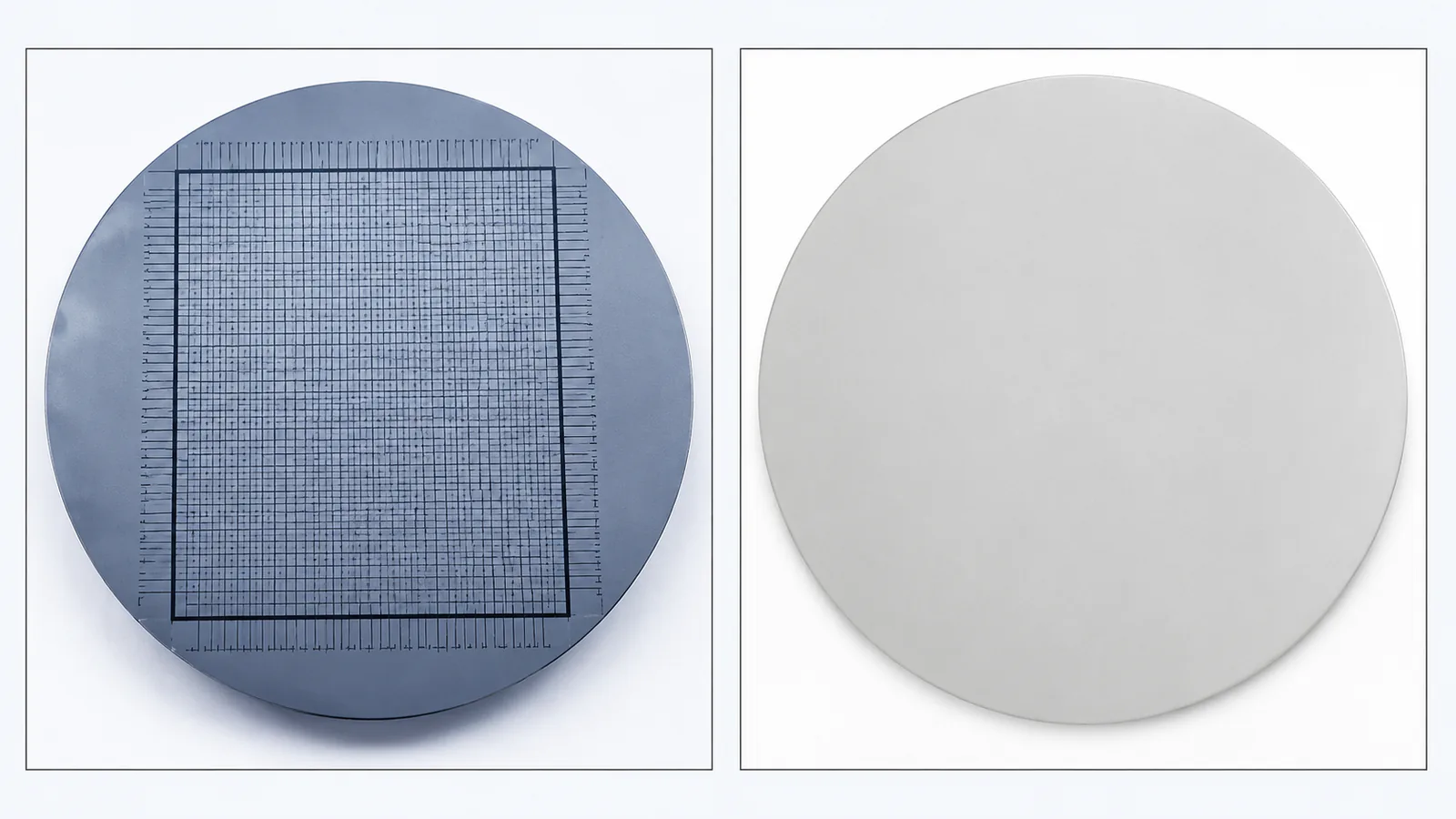
Project-supplied illustration comparing a patterned circular form with a plain circular form
Project-supplied illustration · website use authorized 2026-08-25 · not a product photograph, dimensional drawing or performance comparison
Project-supplied circular-form context

Keep wafer-format intent inside the plate review until the wafer evidence exists.

The supplied illustration is useful for discussing visible circular format only. It does not confirm the material, product identity, diameter, pattern, process, inventory or performance.

Format
Plate, disc or wafer-format requirement
Geometry
Diameter, thickness, edge and drawing
Shape control
TTV, bow, warp and surface criteria
Split gate
Dedicated range plus repeatability evidence and renewed keyword validation
Plate decision sheet

Decision fields for a plate or wafer-format brief

Use the same field names in drawings, reports and enquiries so a future product matrix can be audited without changing the locked URL structure.

01Crystal route

Single-crystal, polycrystalline or open selection

Product matrix required
02Format

Rectangular plate, disc or wafer-format requirement

Capability range required
03Dimensions

Length and width or diameter, thickness and tolerance

Client specifications required
04Surface

Single- or double-side finish, Ra and visual criteria

Inspection method required
05Flatness

Flatness, bow, warp and TTV where applicable

Measured limits required
06Target property

Thermal, optical, electrical or other project-specific need

Application evidence required
07Batch requirement

Quantity and consistency or traceability expectations

QC evidence required
08Downstream work

Cutting, polishing, coating, metallization or integration need

Process ownership required
Review sequence

Route a plate enquiry in four steps

Actual single-crystal and polycrystalline proposals are compared with common definitions, project dimensions and the evidence available for the quoted material.

  1. 01

    Name the application

    Explain what the plate must do and which property or failure mode drives selection.

  2. 02

    Choose or leave open

    State a preferred crystal route, or ask for a route recommendation based on defined requirements.

  3. 03

    Attach the acceptance fields

    Include geometry, surface, flatness, property and report needs in a drawing or specification.

  4. 04

    Review only factual options

    Available sizes, grades and commercial terms are confirmed from the current product and quotation data.

E1

Common geometry

Dimensions, thickness, tolerances, flatness, bow or warp and surface terminology must use comparable units and methods.

E2

Route-specific evidence

Orientation and defect criteria belong to single-crystal review; grain or grade definition and batch consistency belong to polycrystalline review.

E3

Wafer split gate

A standalone wafer page requires dedicated diameter, TTV, edge, surface and repeatability evidence plus renewed SERP validation.

Engineering enquiry

Send the plate drawing with the crystal route left open.

Define the application, geometry, surface, property and inspection needs. The review can compare single-crystal and polycrystalline routes before quotation.

A reference number appears after successful submission.

FAQ / buyer questions

Plate-selection questions that prevent route overlap

The parent page owns comparison and routing. Single-crystal and polycrystalline detail pages keep their own fields, evidence and search intent.

01Is a CVD diamond wafer always different from a CVD diamond plate?

Suppliers and buyers can use the terms differently. This site keeps wafer-format intent on the plate parent page until dedicated wafer dimensions, TTV, bow or warp, edge exclusion, surface and batch evidence support a separate procurement page.

02Why do single-crystal and polycrystalline plates have separate pages?

They have different decision fields, evidence needs and search intent. Separate pages prevent one broad catalog page from duplicating or diluting those procurement tasks.

03Does this page publish standard plate sizes?

Standard sizes, custom limits and tolerances are confirmed from the current product matrix and inspection evidence for the requirement. Competitor ranges are never substituted.

04Where should a heat-spreader requirement go?

A project centered on hotspot removal, package footprint, interfaces and thermal verification should use the dedicated diamond heat-spreader page.

Choose the route

Move into the crystal-specific page, or send a drawing with the route left open.

Submit a plate requirement
Page ID / PL-00Primary topic / CVD diamond platePlate ranges and commercial terms are confirmed against the drawing