CVD Diamond Supply and Process Boundaries
Start with the finished requirement. The review connects material form, geometry, surface, specialist processing, inspection and commercial terms into one quotation scope with clear responsibilities.

From finished requirement to quote-ready route.
The buyer does not need to reverse-engineer the supply chain. A focused brief is translated into a defined set of operations and acceptance points.
- 01
Application and finished part
Define what the part must do, its geometry, environment and downstream interface.
- 02
Material route
Match crystal type, form and property target to the application and drawing.
- 03
Specialist processing
Identify cutting, surface, metallization, joining or other operations that belong in scope.
- 04
Inspection and release
Agree methods, sampling, report identity and the evidence needed for acceptance.
- 05
Commercial quotation
Confirm quantity, timing, destination, packaging and named responsibilities.
Use process images to ask the right ownership and acceptance questions.
These project-supplied photographs provide context for the review. They are not used alone to claim a facility, product range or process ownership.
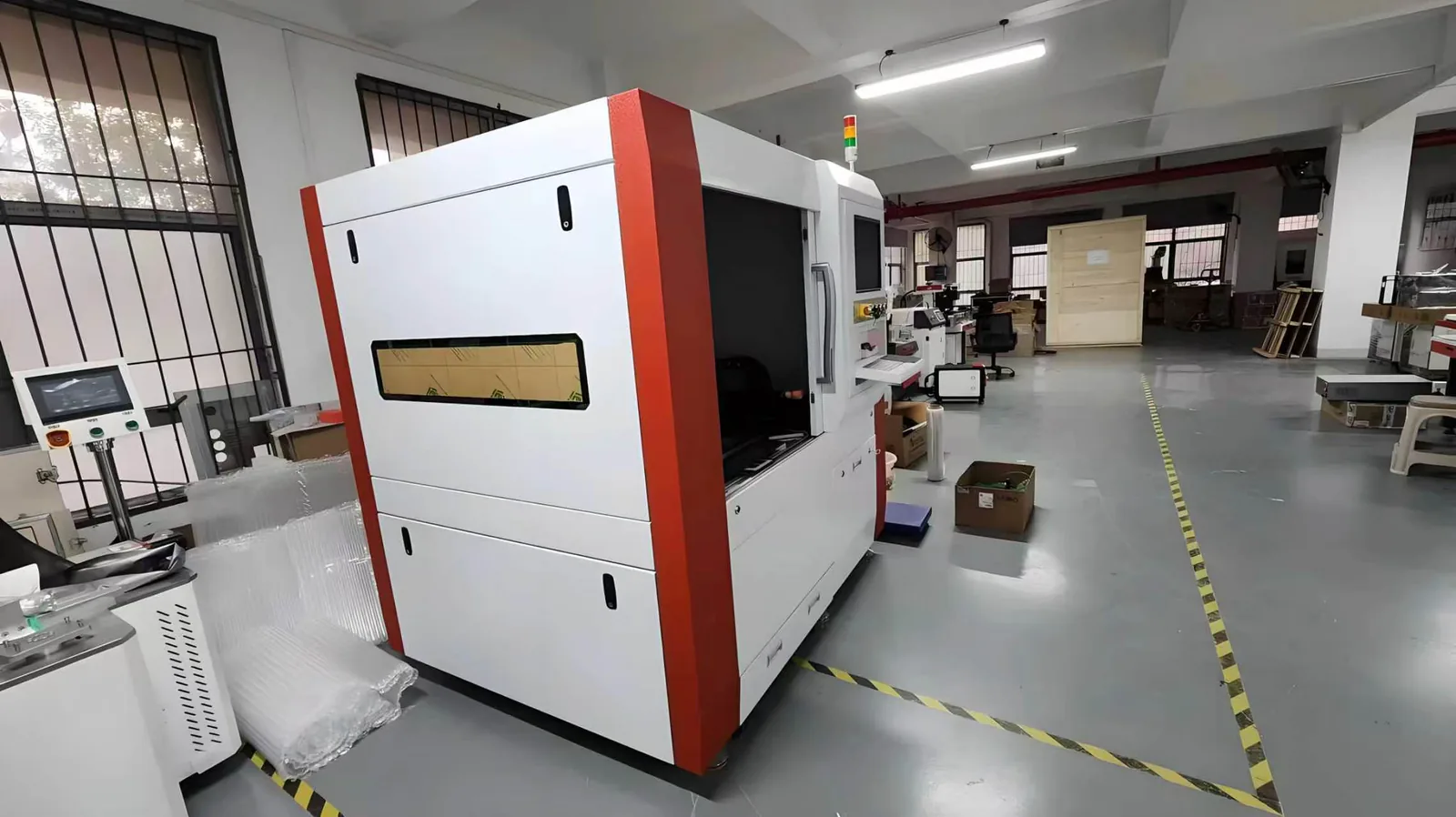

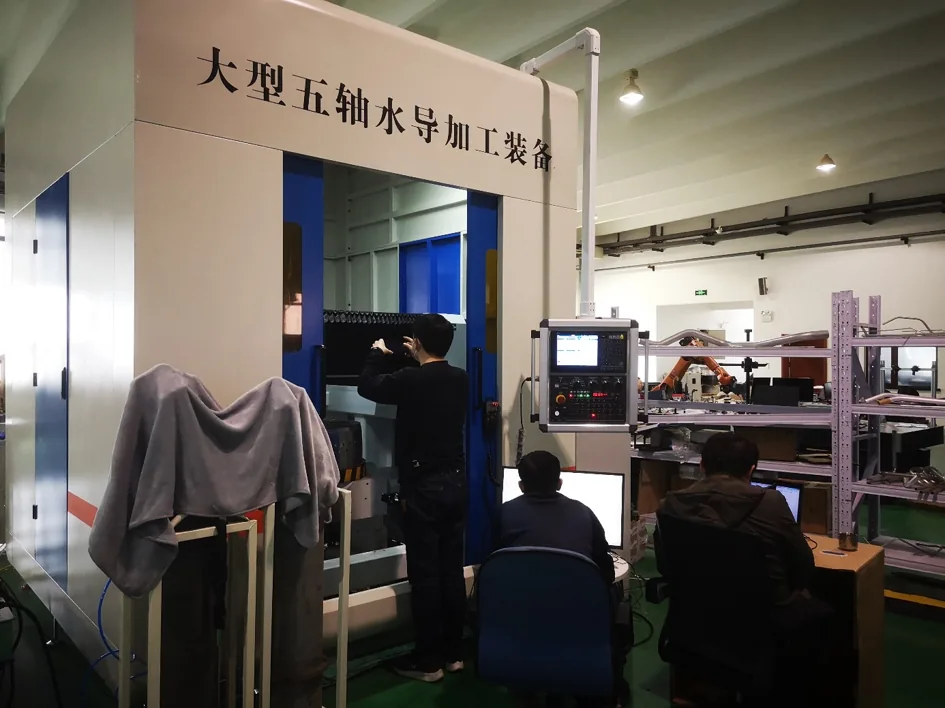
Match the process to the finished requirement.
This workshop view introduces a water-guided processing environment. Material compatibility, geometry and acceptance requirements are reviewed against the specific part.
- Part definition
- Material, thickness, finished dimensions and the drawing.
- Acceptance
- Edge condition, surface requirements, tolerances and inspection method.
- Project scope
- Applicable operations, processing responsibility and delivery condition.
Separate the operation from the party responsible for it.
A reliable scope explains who supplies, processes, inspects, approves and releases each deliverable. That structure remains useful whether a step is direct, specialist-partner or sourced.
Send the drawing. Leave the process route open.
Share the finished condition and evidence target; the next review can identify the material, specialist operations and commercial questions that belong in scope.
Build the industrial brief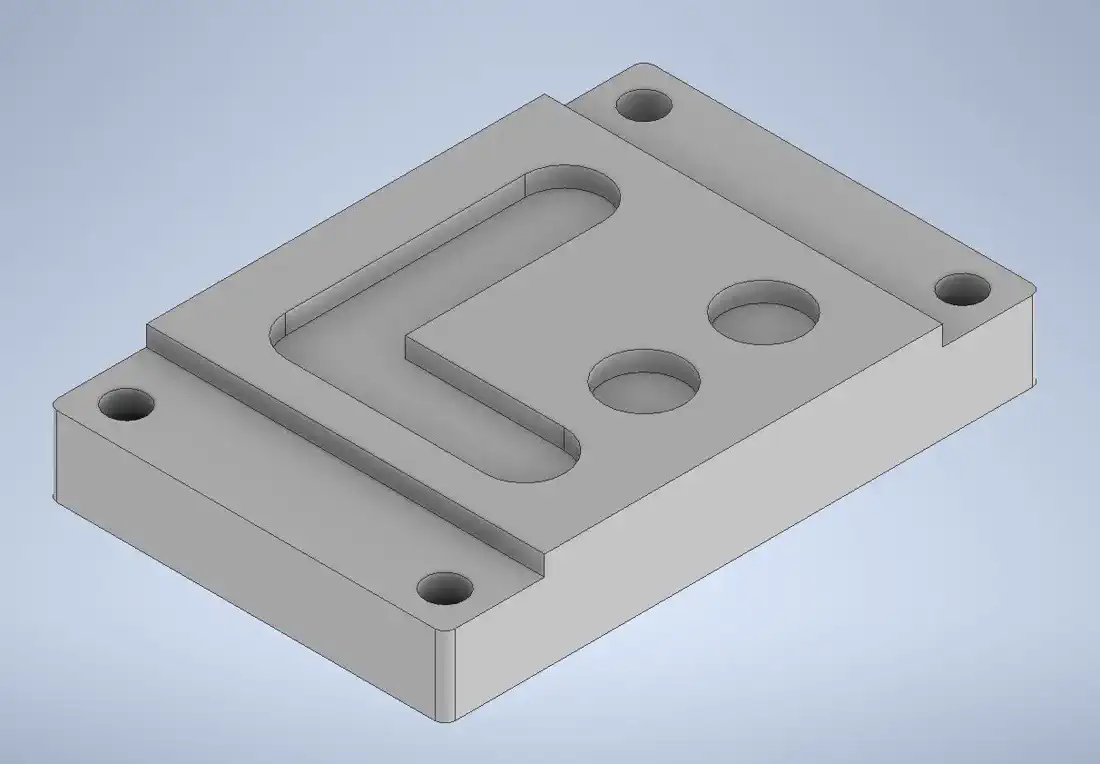
Questions about a project-defined supply route
The answers keep finished requirements, operations, responsibilities and evidence in one procurement conversation.
01Does a buyer need to select every process before enquiring?
No. Begin with the finished requirement, application and acceptance evidence. The material, processing and inspection route can then be defined around that outcome.
02Are all specialist operations described as in-house?
No. The quotation should identify the applicable responsibility for material supply, specialist processing, inspection and logistics. Partner or sourced work is not presented as in-house.
03How are dimensions and surfaces controlled?
The drawing, measurement method, tolerance, surface requirement and sample or lot identity are agreed as part of the project scope and acceptance record.
04What information helps the first review?
Share the application, material form, dimensions, thickness, surface, joining or interface need, evidence target, quantity, destination and required date.