CVD diamond materials · thermal systems · professional sourcing
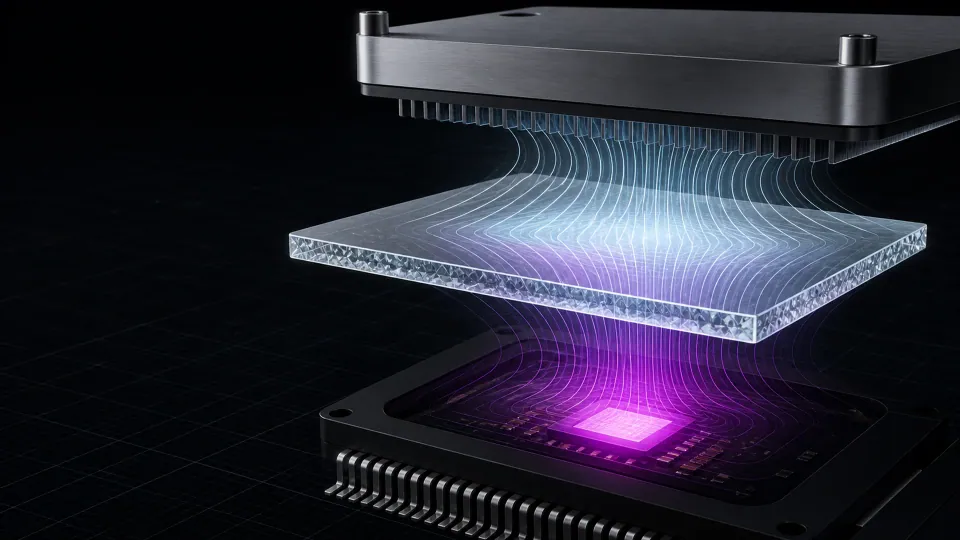
Concept visualization of a CVD diamond heat spreader transferring heat between a high-power device and a cold plateConcept visualization / engineering direction only
Primary focus / CVD diamond heat spreaders

CVD Diamond Materials forHigh-Power Thermal Challenges

DiamovaLab helps buyers define CVD diamond heat spreaders and plates for high-power thermal systems. Bring the application, drawing and interface requirements to a focused material review.

Application-led reviewDrawing-ready briefEvidence before claims
Scroll through the system
01
ApplicationOperating context
02
GeometryDrawing · tolerance
03
InterfaceSurface · connection
04
VerificationTest · traceability
CVD diamond in the heat path

What role does CVD diamond play in a high-power thermal system?

A CVD diamond heat spreader functions as a thermal bridge between a concentrated device hotspot and the next cooling layer. It is not the complete heat sink: its role is to spread heat into a larger area before that heat continues through an interface, package, cold plate or other cooling structure.

Material selection therefore cannot be reduced to one thermal-conductivity figure. Crystal route, dimensions, thickness, surface condition, flatness, metallization or joining requirements, measurement direction, test method and operating temperature all change what evidence a buyer needs. The quotation confirms the available specification, supporting records and supply conditions.

Question 01

What thermal problem is being solved?

Identify the hotspot, operating load and path to the cold side.
Question 02

What part is being specified?

Provide the part drawing, thickness, tolerance and surface requirements.

Question 03

How will the part be integrated?

Name the mating materials, contact area and proposed joining method.

Question 04

What evidence will support the decision?

Match each result to its sample, test conditions and acceptance criteria.

Buyer-facing technical orientationNo unverified product, performance or manufacturing claim
01 / Material routes

Which CVD diamond material route fits the project?

Choose a material route by its role in the assembly. Confirm dimensions, grade, processing and inspection requirements for your project. View all products and applications

Primary review routeCommercial-use reference server hardware used to express heat-spreader and cold-side project context
Route 01 / Thermal bridge

Diamond heat-spreader projects

Connect the hotspot, drawing geometry, interface and complete cold-side path.
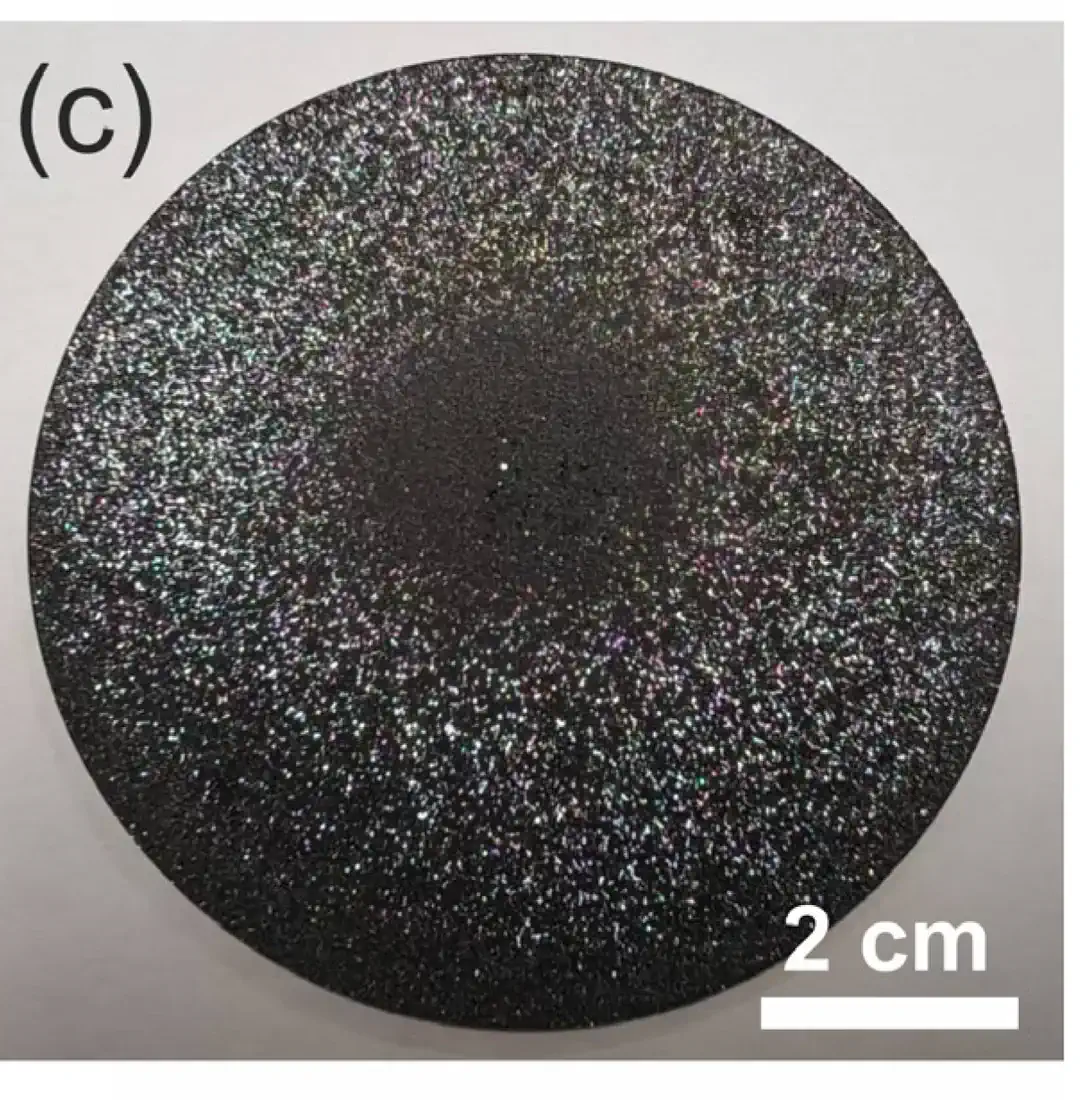
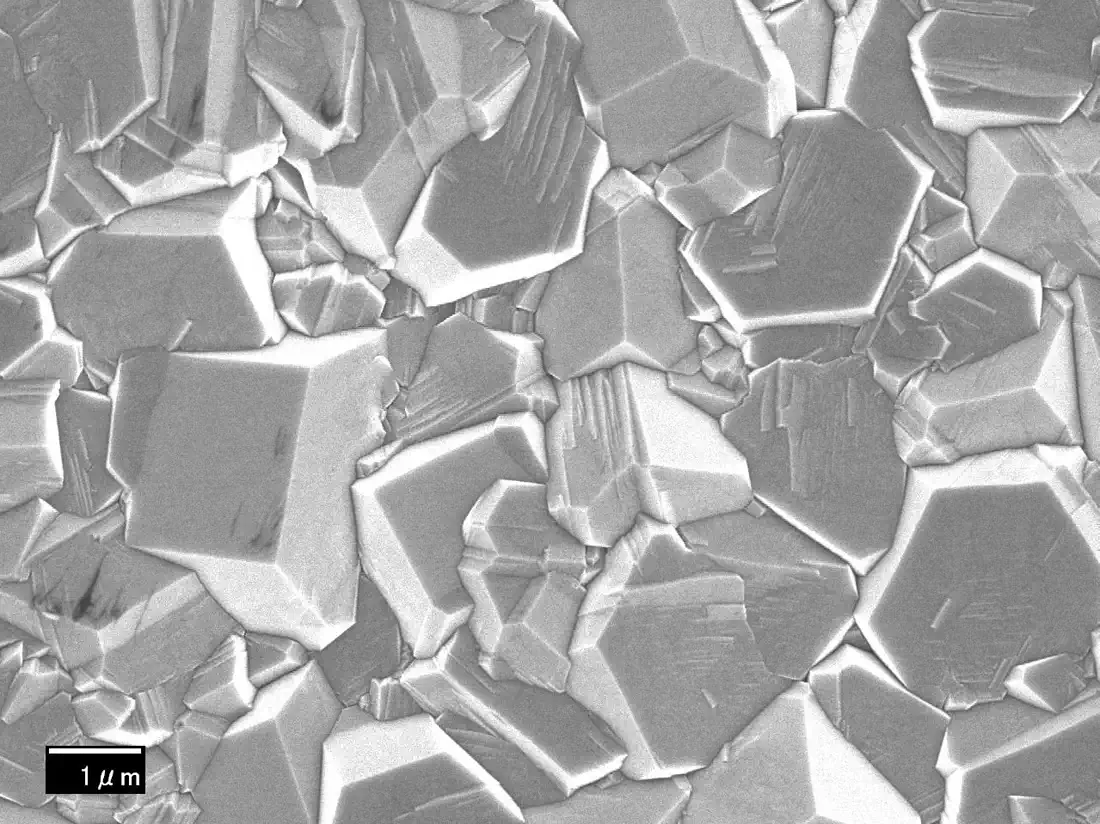
Specification reviewIndustry reference CVD diamond surface used to represent single-crystal plate review
Route 02 / Crystal control

Single-crystal plate route

Orientation, surface, thickness and test context define the review.
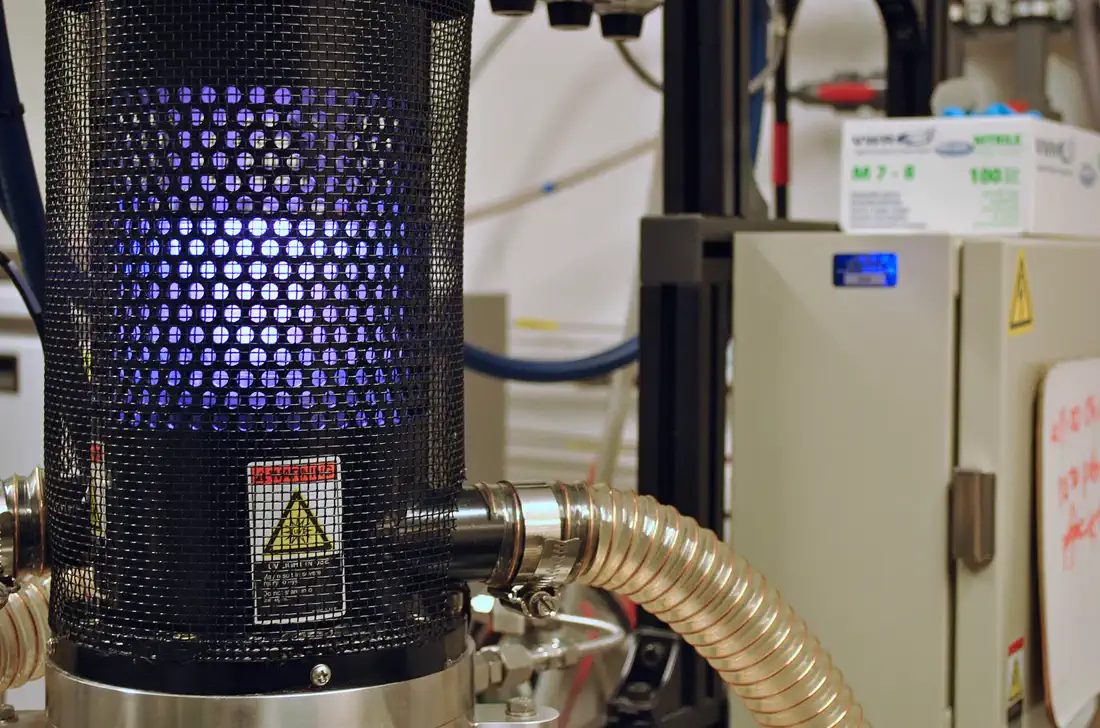
Specification reviewIndustry reference CVD growth environment used to represent polycrystalline material routing
Route 03 / Area & batch

Polycrystalline plate route

Larger-area and batch requirements stay separate from single-crystal selection.
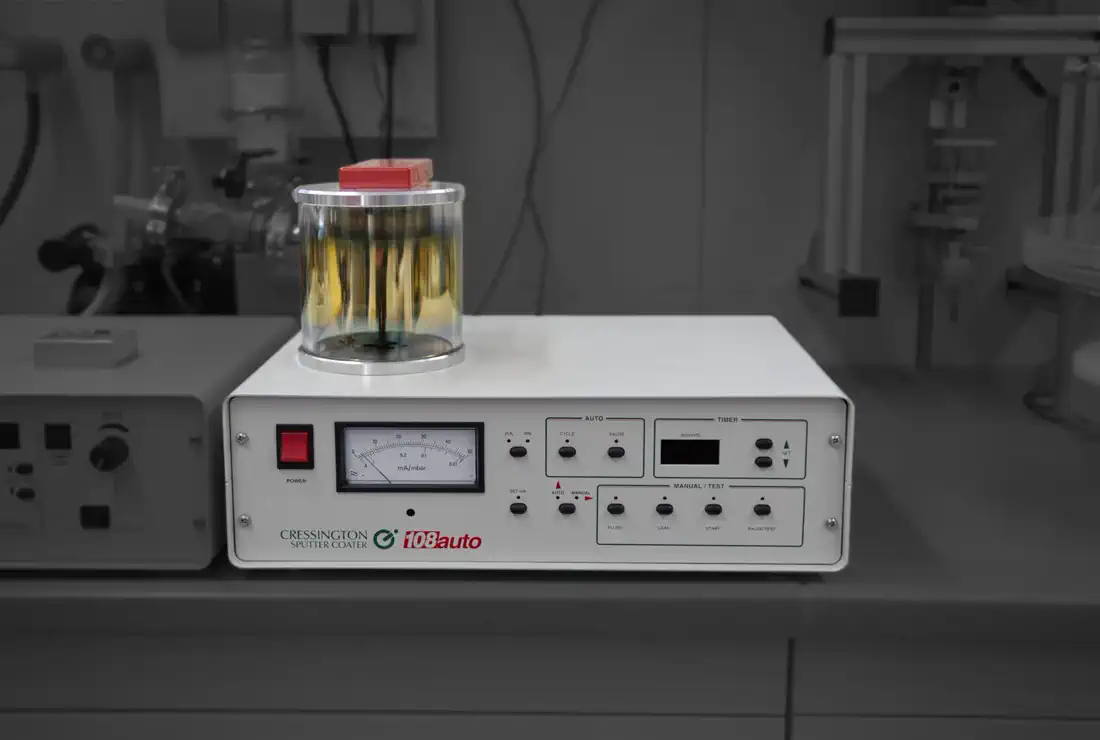
Capability evidence requiredIndustry reference coating process used to express interface and bonding requirement review
Route 04 / Package interface

Metallization & bonded assembly review

Layer stack, joining method and assembly boundary are scoped as requirements before any capability claim is released.

Route selection starts with application, geometry, interface and evidence requirements. Final specifications follow engineering review.Submit a drawing brief
02 / System heat path

How does a diamond heat spreader fit the complete thermal path?

Move from the device hotspot to the package, diamond interface and cold side. Each layer changes the engineering conversation.
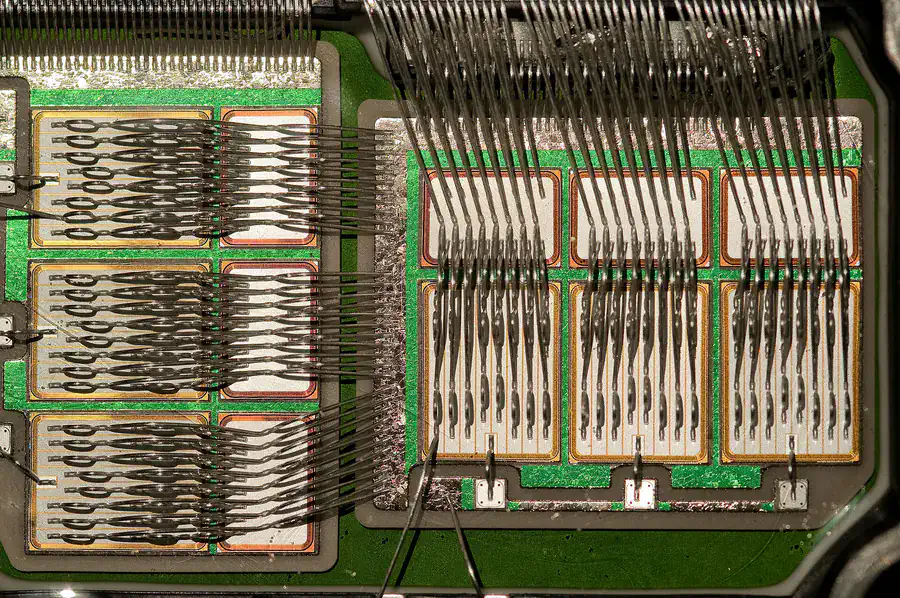
01Industry reference close-up of a high-power electronics package and bonded interconnects
Device hotspotIndustry reference
power package
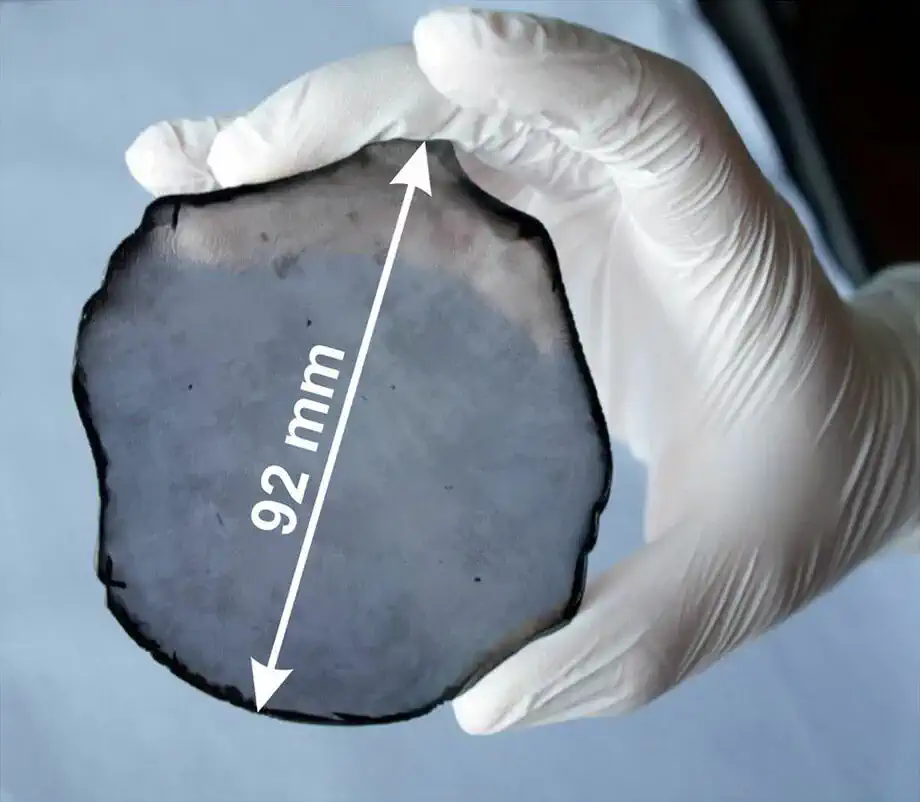
02Industry reference material form used to represent CVD diamond plate geometry
Diamond bridgeForm · thickness · surface
03Industry reference coating equipment used only to express interface-processing context
InterfaceReference
04Industry reference thermal-imaging setup used to express verification context
VerifyReference
03 / Material digital twin

CVD diamond material form, surface and microstructure.

Switch the view from material form to surface and microstructure. The images are review references, not DiamovaLab product evidence.

Industry reference view of a CVD diamond material form
VIEW 01 / MATERIAL FORM
Material view selectorThree reference scales

A project brief should connect these views to the application, interface and test method.

04 / Application field

Enter through the operating environment.

Select a scene to change the system view and the three review fields below. No application is presented as a DiamovaLab customer case.

Commercial-use reference high-performance computing and data-center infrastructure
Application 01 / AI & HPC

Move heat beyond the package.

Begin with hotspot location, package geometry and the complete cold-side path.

Heat sourceAccelerator package
Interface focusBridge + cold plate
Evidence requestThermal map
Buyer specification guide

Build a reviewable CVD diamond heat-spreader brief.

Seven inputs give engineering and procurement one shared starting point—before a crystal route or finished product code is fixed.

  1. 01

    Heat source & application

    Device, hotspot footprint, operating envelope and known load pattern.

  2. 02

    System boundary

    Package layers, mating surface and the downstream heat-rejection path.

  3. 03

    Material route

    Plate or wafer form; single-crystal, polycrystalline or selection still open.

  4. 04

    Geometry & surface

    Dimensions, tolerances, flatness, finish and the current drawing revision.

  5. 05

    Interface & joining

    Mating material, metallization concept, joining route and assembly owner.

  6. 06

    Verification

    Target result, method, test temperature, direction and report format.

  7. 07

    Commercial context

    Quantity, sample or production intent, required date and destination.

06 / Evidence layer

What evidence should support a CVD diamond material review?

Geometry, surface, interface and test context belong in the same project conversation. Published claims remain tied to verified, project-specific records.
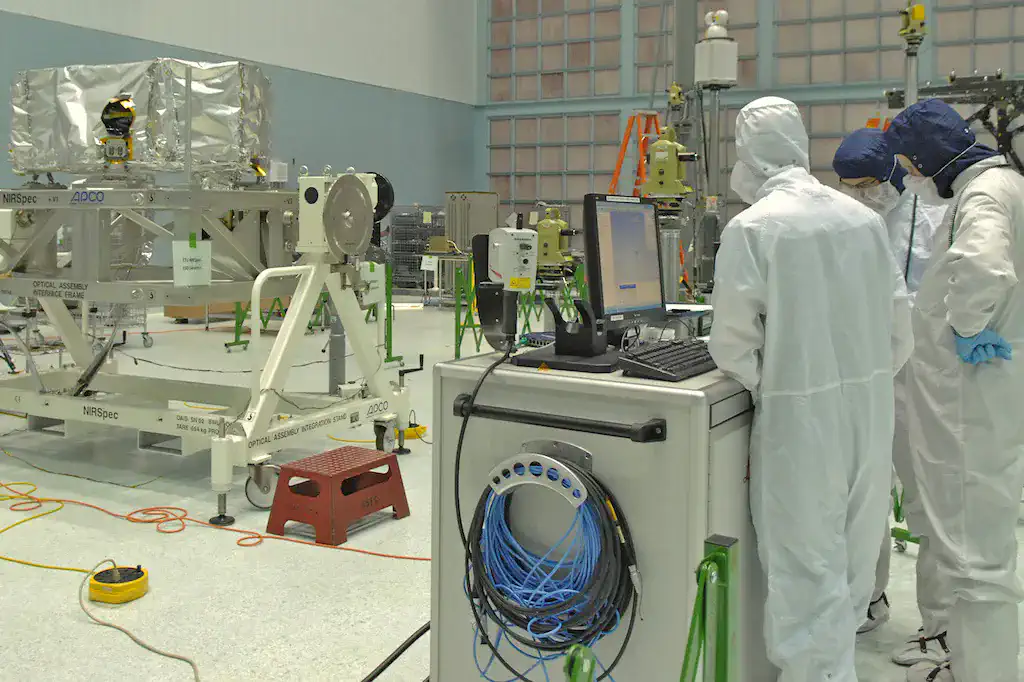
Industry reference precision metrology environment
Geometry & metrologyReference image · not DiamovaLab equipment
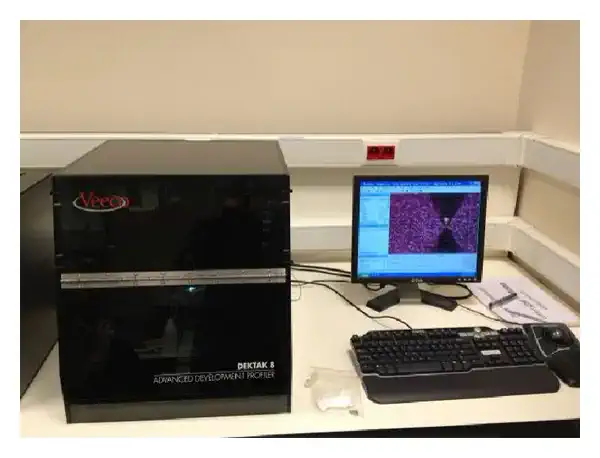
Industry reference surface-profiling equipment
Surface contextReference image
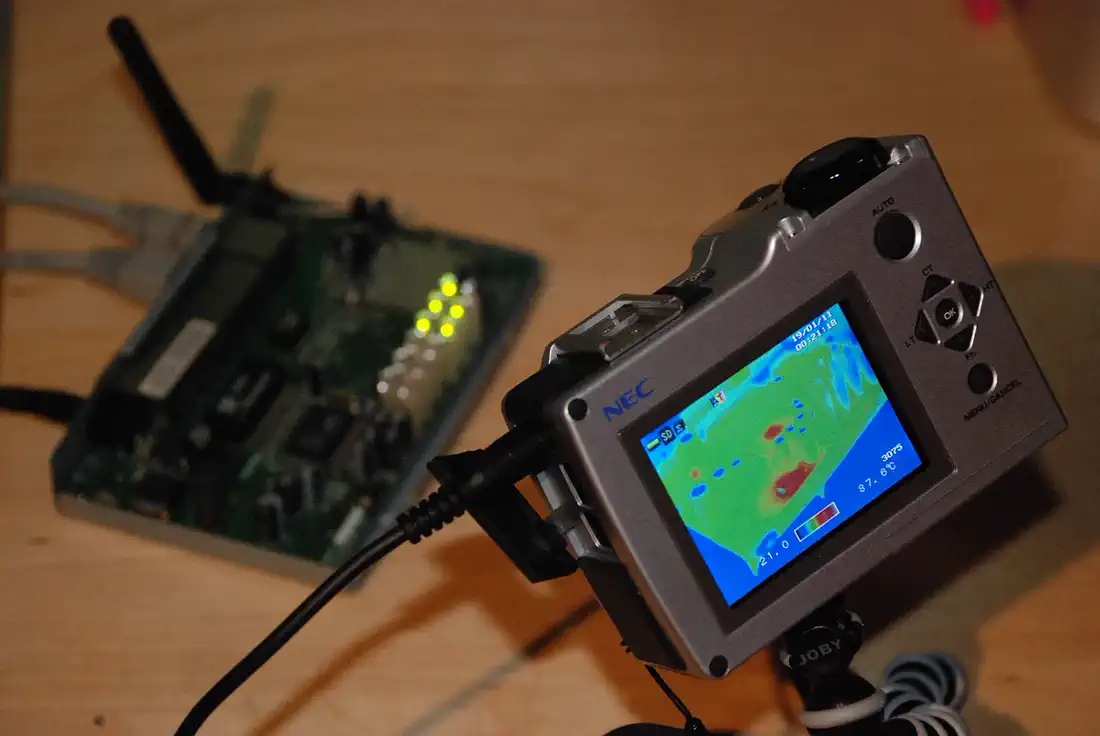
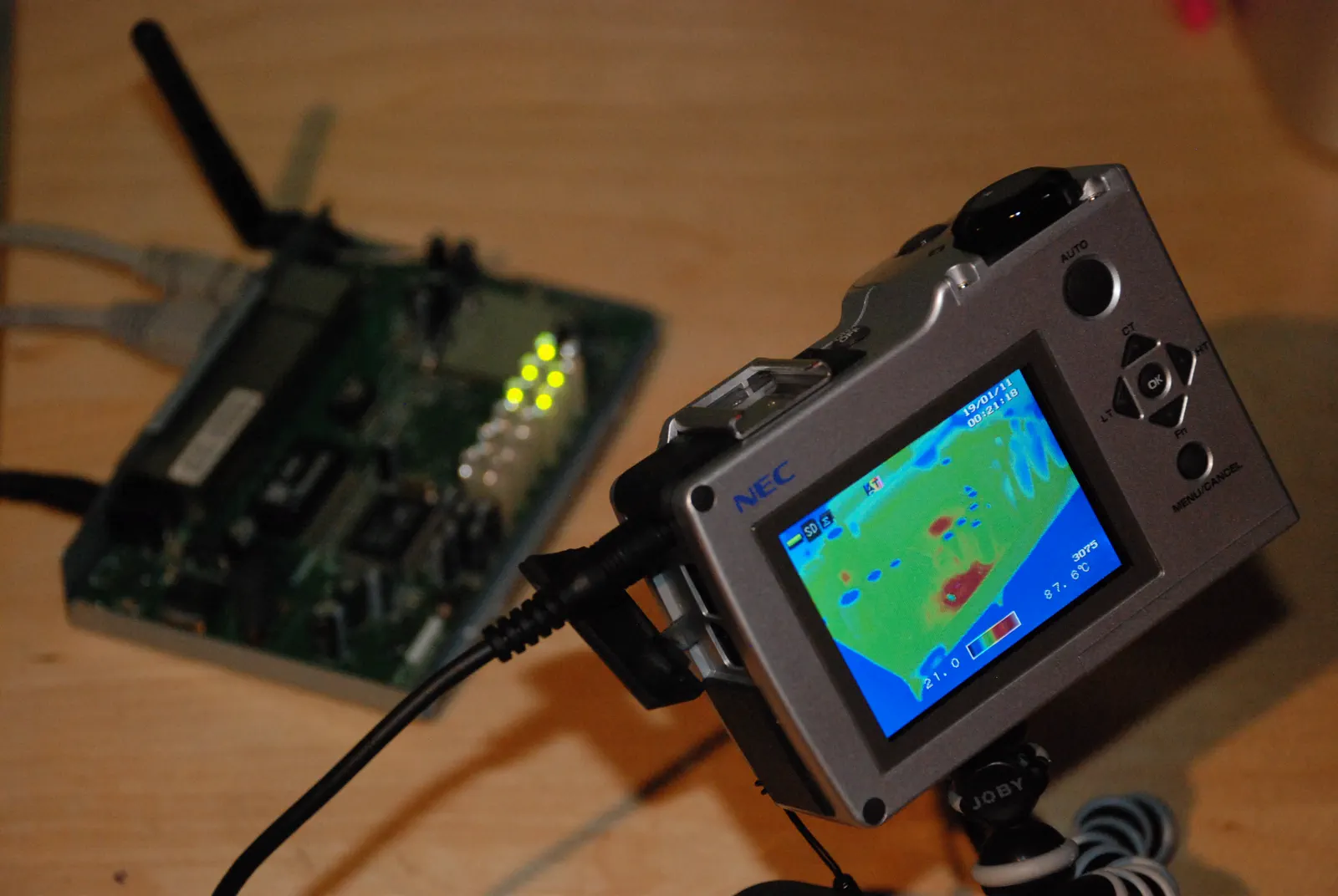
Public-domain reference photo of an infrared camera displaying a thermal map of electronics
Thermal-map contextPublic-domain reference · not DiamovaLab equipment
Evidence pack architectureFields shown below define the required proof structure; no released product values are implied.
01IdentityModel, sample or batch ID linked to the drawing and report.
02GeometryDimensions, tolerance, flatness, bow or warp where relevant.
03SurfaceFinish, roughness context, side definition and inspection method.
04Thermal testMethod, temperature, measurement direction and result status.
05InterfaceLayer stack, joining route, adhesion or assembly evidence when applicable.
Technical context / external sources

The NIST Structural Ceramics Database documents material specification, measurement method and experimental conditions alongside evaluated diamond data. A separate NIST publication on CVD diamond films reports that measured thermal behavior can depend on material-growth context. These references explain why a headline value needs material and test context; they are industry sources, not DiamovaLab product data.
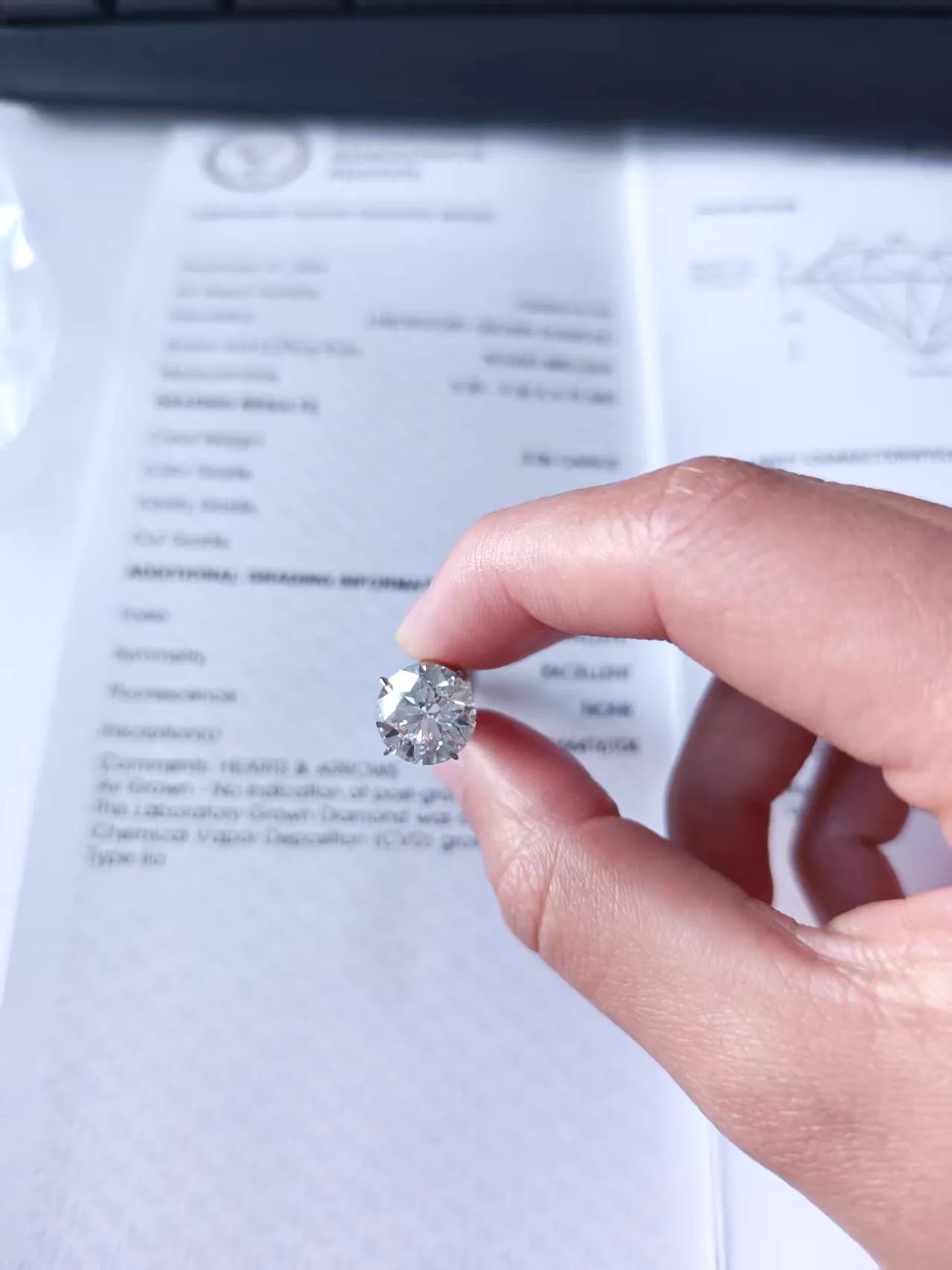
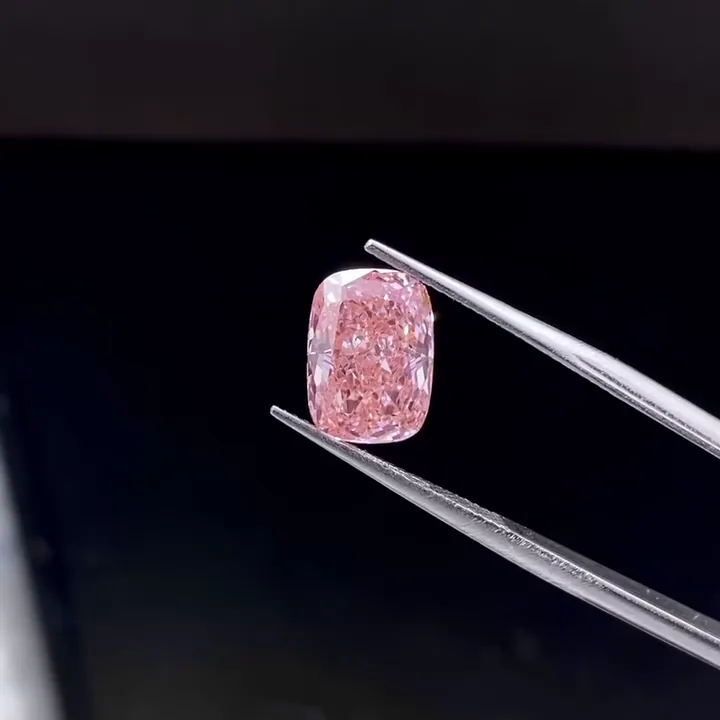
Project-supplied loose laboratory-grown diamond shown in a document review context
Project-supplied review context · grade and availability are not implied
Project-supplied pink cushion-shaped laboratory-grown diamond sample frameOne visible sample · one review record
Secondary professional sourcing route

A separate route for lab-grown diamonds.

Jewelry enquiries follow a dedicated sourcing path, separate from industrial thermal-material projects. Start with growth method, shape, size or carat, color and clarity.

Certificate needs, item mapping, quantity, destination and timing are then reviewed against the relevant commercial records. The page is not a live inventory feed.

Open the sourcing route
  1. 01SelectionMethod · shape · size · grade range
  2. 02EvidenceReport need · disclosure · item mapping
  3. 03Commercial briefFormat · quantity · destination · date
Before the first review

What do buyers ask before a CVD diamond thermal review?

These direct answers define the first engineering conversation while keeping product, performance, processing and commercial claims tied to verifiable project evidence.

Send the application, heat-source or device footprint, drawing dimensions, thickness, surface requirements, interface or joining method, quantity, destination and any verification requirement. A drawing and the operating constraints are enough to begin even if the crystal route has not been selected.