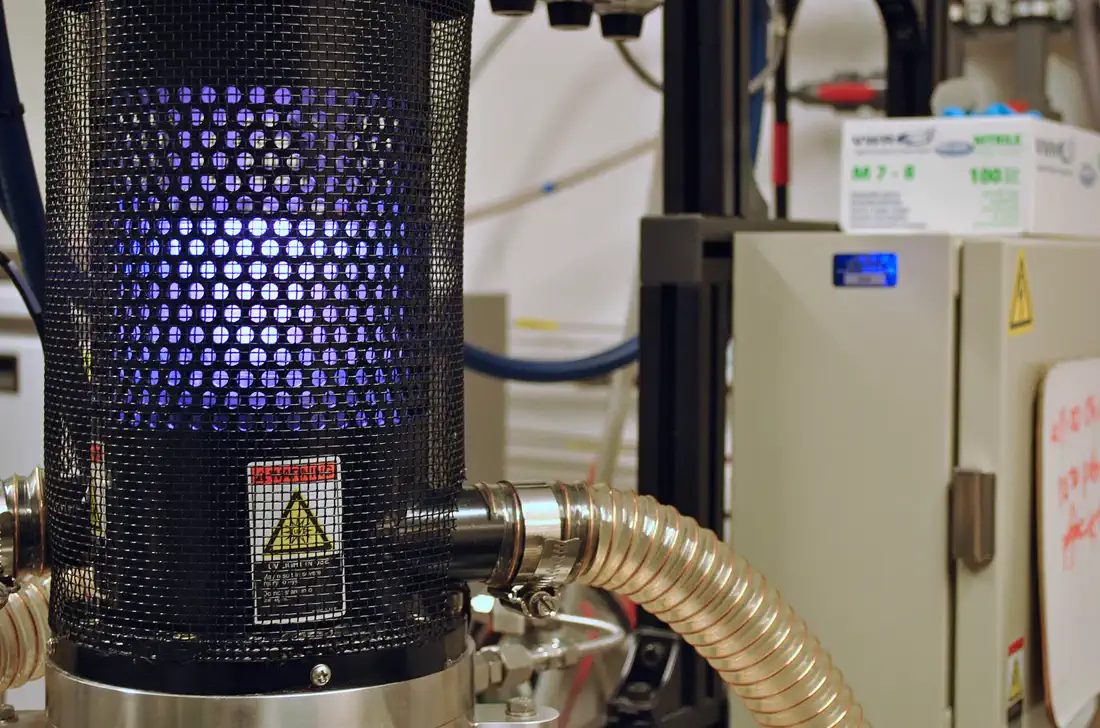
How does chemical vapor deposition grow diamond?
A CVD process uses a controlled gas environment and an energy source to create reactive carbon species near a prepared seed or substrate. Under suitable conditions, carbon can continue the diamond lattice while non-diamond carbon is suppressed or removed by the process chemistry.
Growth conditions and later processing influence the resulting material. The word CVD therefore should not be treated as a complete specification or as proof that two products are interchangeable.
- Growth method: chemical vapor deposition rather than mining or high-pressure growth.
- Material form: gem crystal, single-crystal plate, polycrystalline plate or film can require different process and finishing routes.
- Post-growth work: cutting, polishing, treatment, coating, metallization or integration must be disclosed separately where relevant.
Why do jewelry and industrial CVD diamonds need separate buying paths?
A jewelry buyer usually evaluates shape, carat or millimeter size, color, clarity, cut, treatment disclosure, grading report, matching and availability. An industrial buyer may instead evaluate crystal route, dimensions, thickness, orientation, thermal or other material properties, surface, flatness, tolerances, joining and test evidence.
Combining both tasks into one generic catalog creates ambiguous claims. DiamovaLab therefore routes industrial materials and professional jewelry sourcing to separate pages, evidence systems and RFQ fields.
What should a buyer verify beyond the CVD label?
Verification should follow the product and intended decision. A jewelry report may state growth method and whether treatment evidence was detected. An industrial report should identify the material or sample, test conditions, method and result relevant to the project.
- Identity: item, sample, lot, SKU, report number or inscription.
- Material definition: crystal type, dimensions, condition and application-relevant grade.
- Evidence: issuer or method, temperature and direction where relevant, result type and acceptance rule.
- Commercial status: ownership or authorization, availability, MOQ, lead time and destination boundary.
How should CVD diamond information be used in a procurement brief?
Use CVD as one field within a complete brief. For an industrial project, add the heat path, geometry, surface, interface and verification requirement. For jewelry sourcing, add the product format, grading range, certificate, quantity and delivery need.
A broad technical definition can support discovery and education. A supplier claim or quotation still needs first-party product and commercial evidence.
Primary technical sources used for this guide
Sources explain the technical background. They do not certify DiamovaLab products, facilities, processes or customer results.
- Diamond ResearchGemological Institute of America
CVD and HPHT as recognized laboratory-grown diamond methods and jewelry identification context.
- Growth Rate Dependence of the Thermal Conductivity of Chemical-Vapor-Deposited Diamond FilmsNational Institute of Standards and Technology
Industrial context showing why CVD material behavior must be tied to growth and measurement conditions.